

The first two legs of our South African adventure—Cape Town and Pilanesberg National Park—were exciting and exhilarating. But Johannesburg? Johannesburg was life-changing.
Here, we experienced both the polish of a global city and the profound weight of a nation’s history.
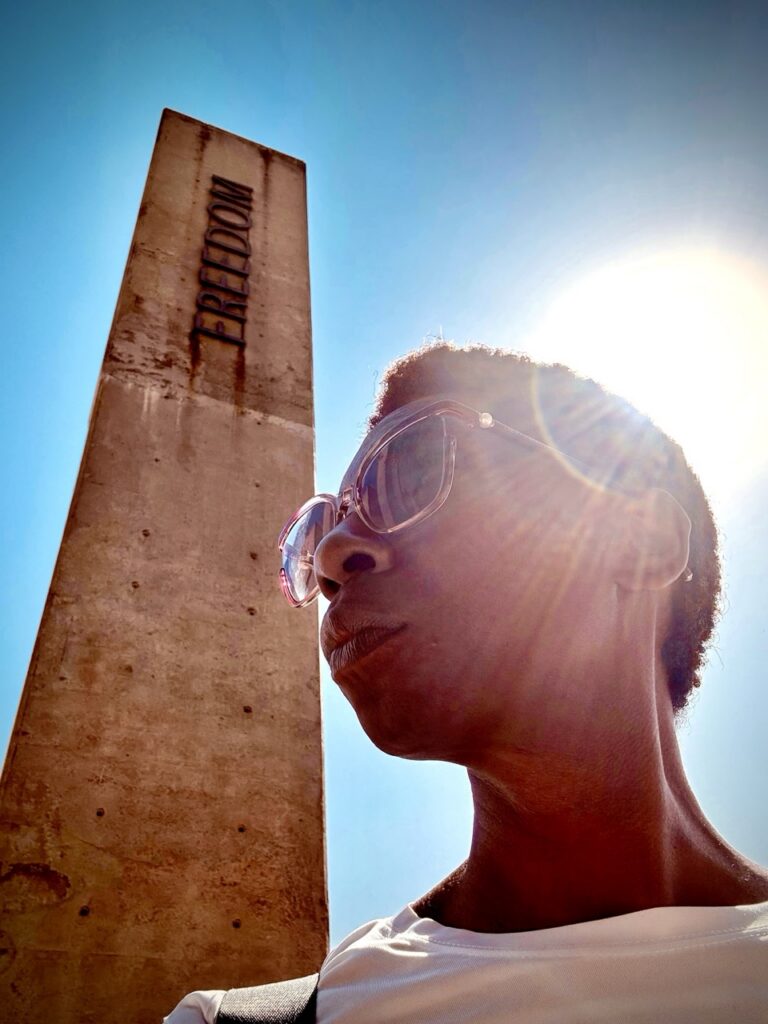
An Immersive History Lesson
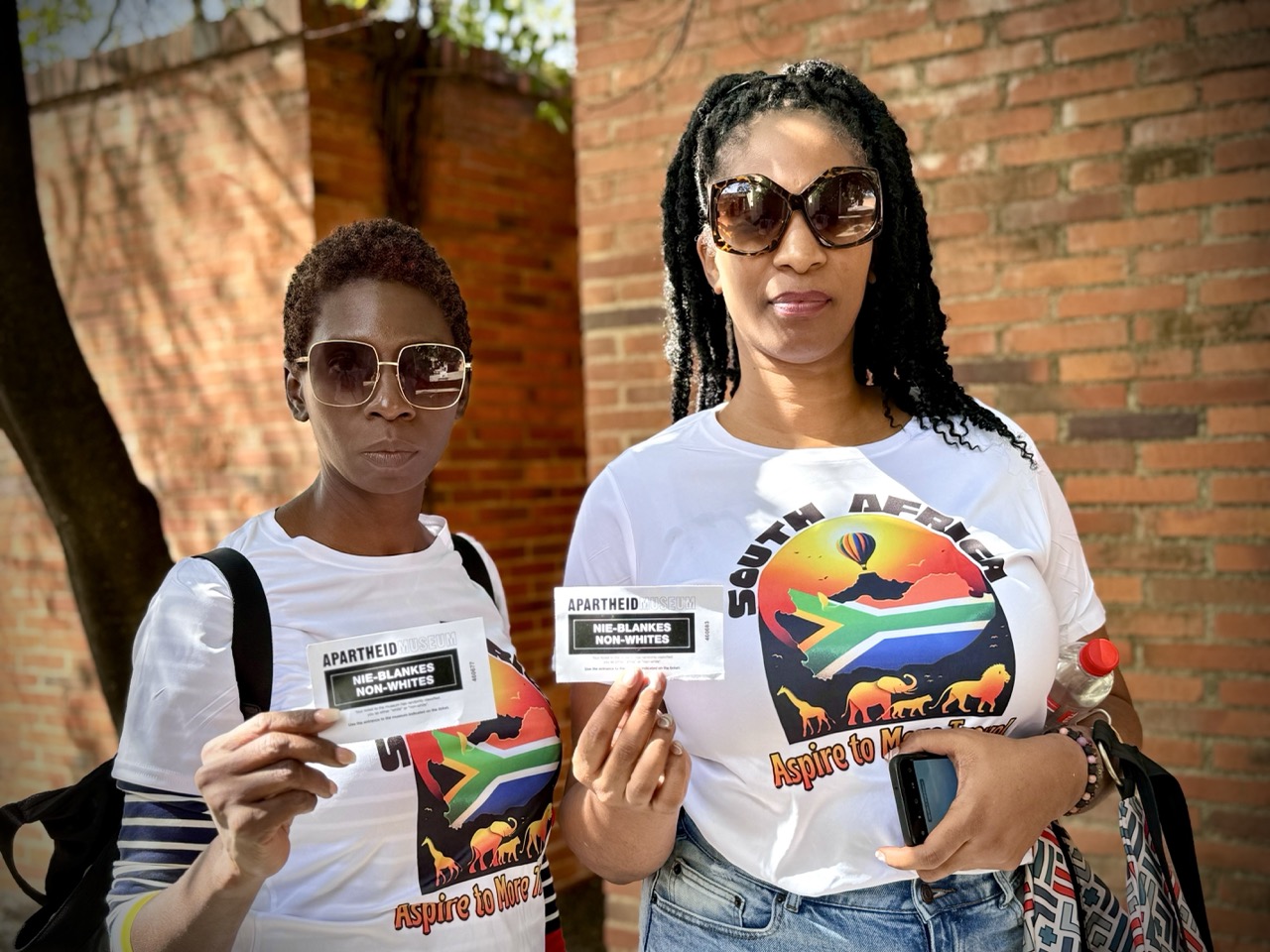
After a three-hour drive from Pilanesberg to Johannesburg, our first stop was the Apartheid Museum.
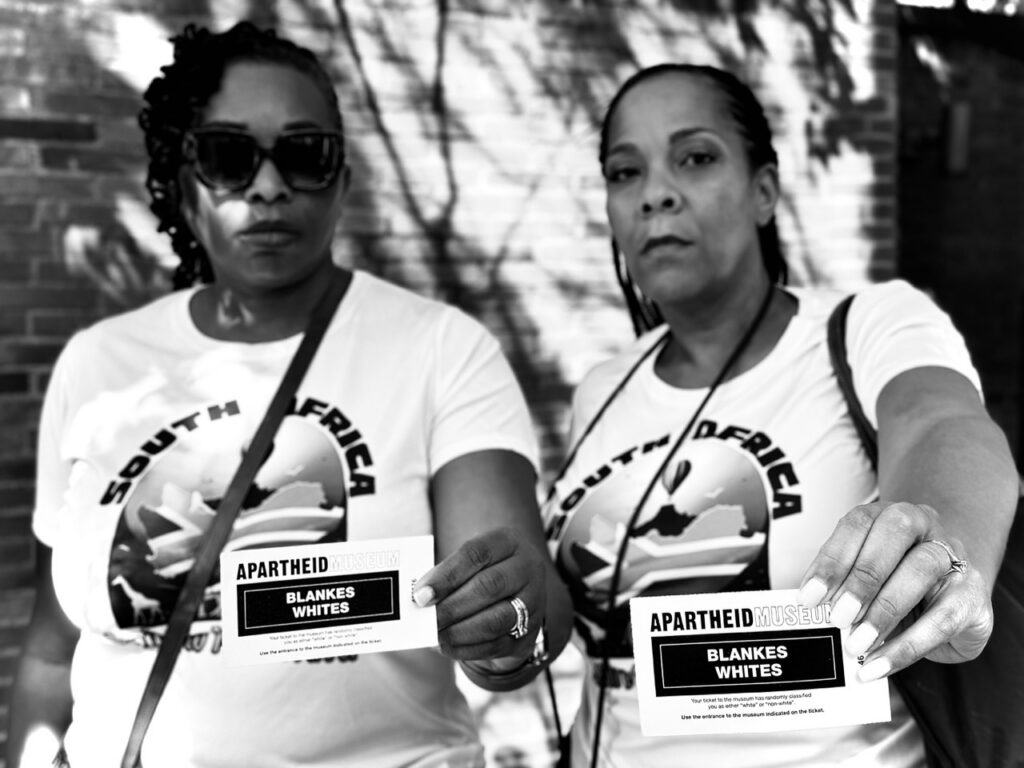
At the entrance, visitors are randomly assigned racial classifications—Black, White, or Coloured—mirroring the arbitrary system that once governed daily life under apartheid. It’s an unsettling but powerful introduction to what it meant to live in a racially stratified society.
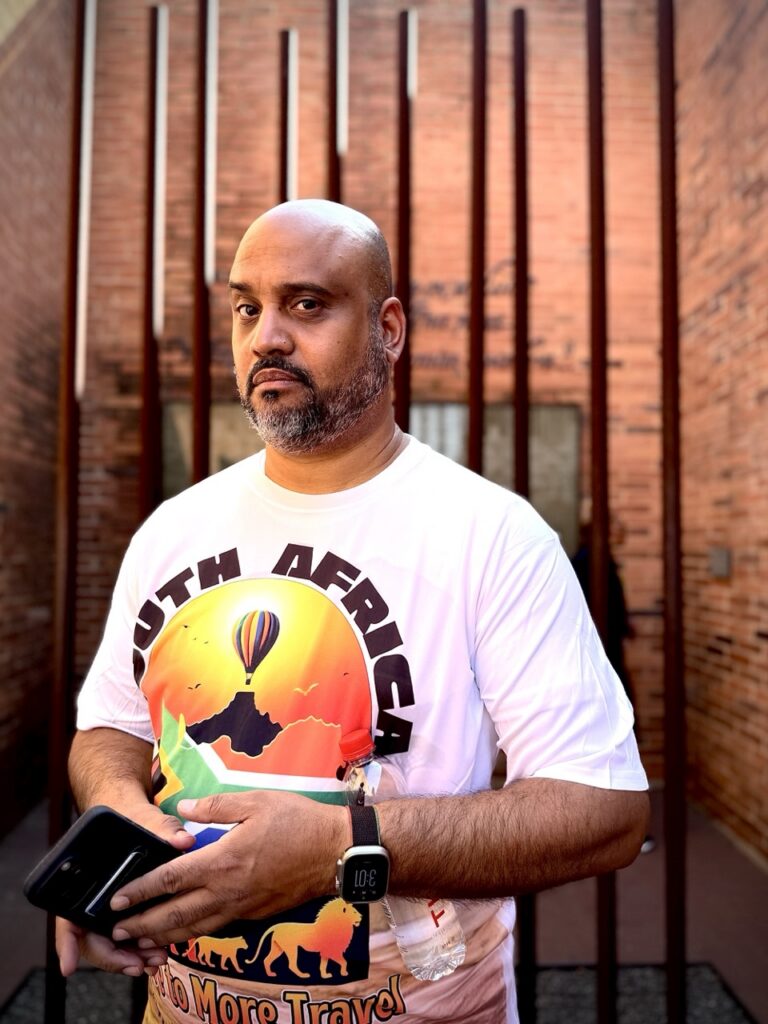
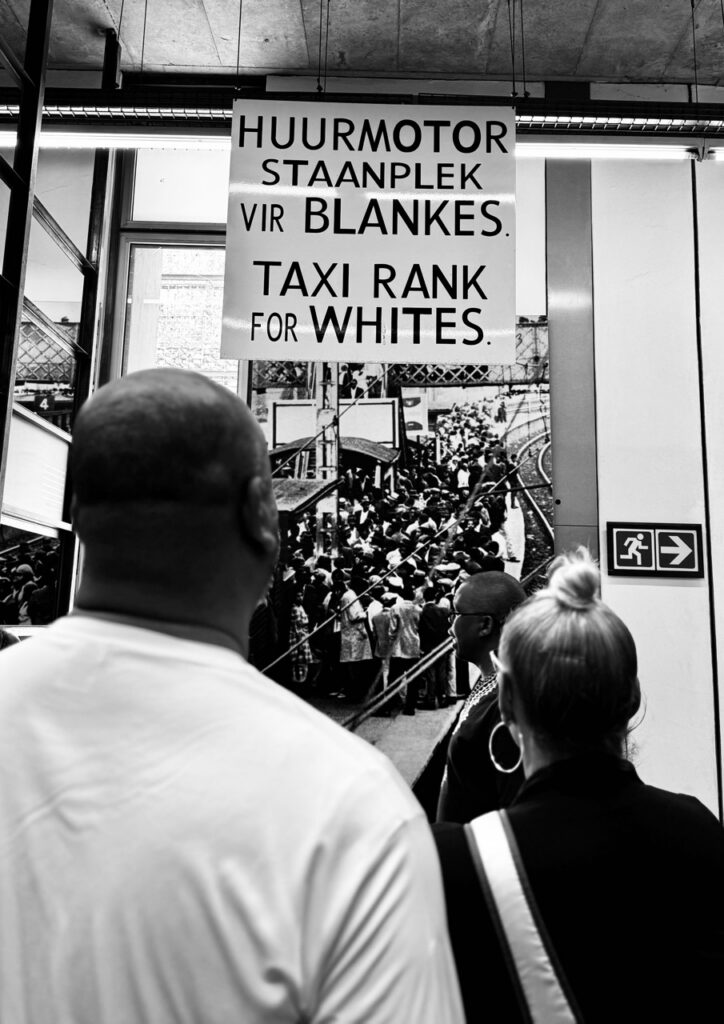
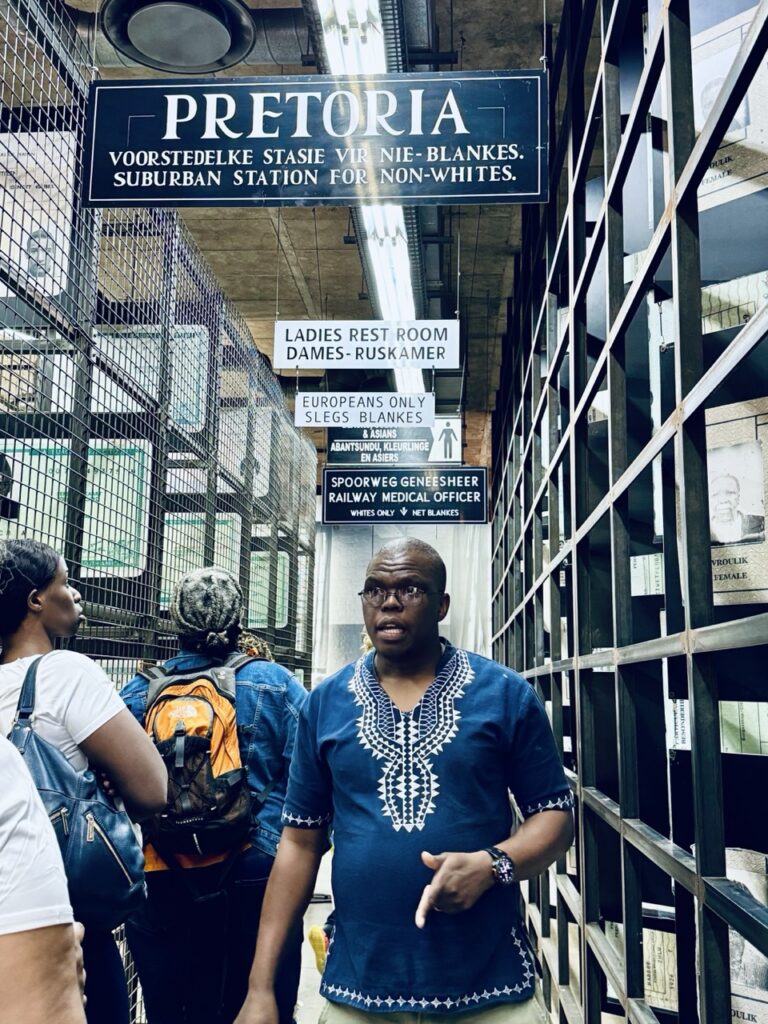
If you’ve ever visited the Museum of Tolerance, the experience feels similar—immersive, heavy, and necessary. No description can fully capture it. It is not lighthearted. But it is essential.
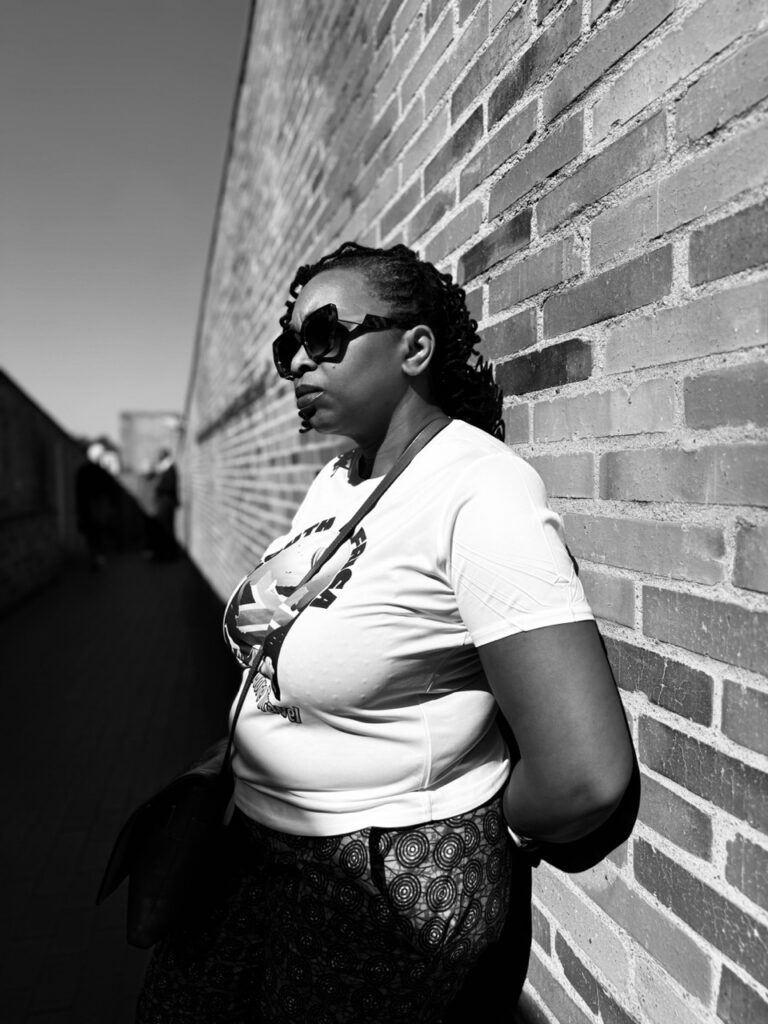
History, when faced honestly, becomes a safeguard against repeating it.
Sandton: A World of Opulence
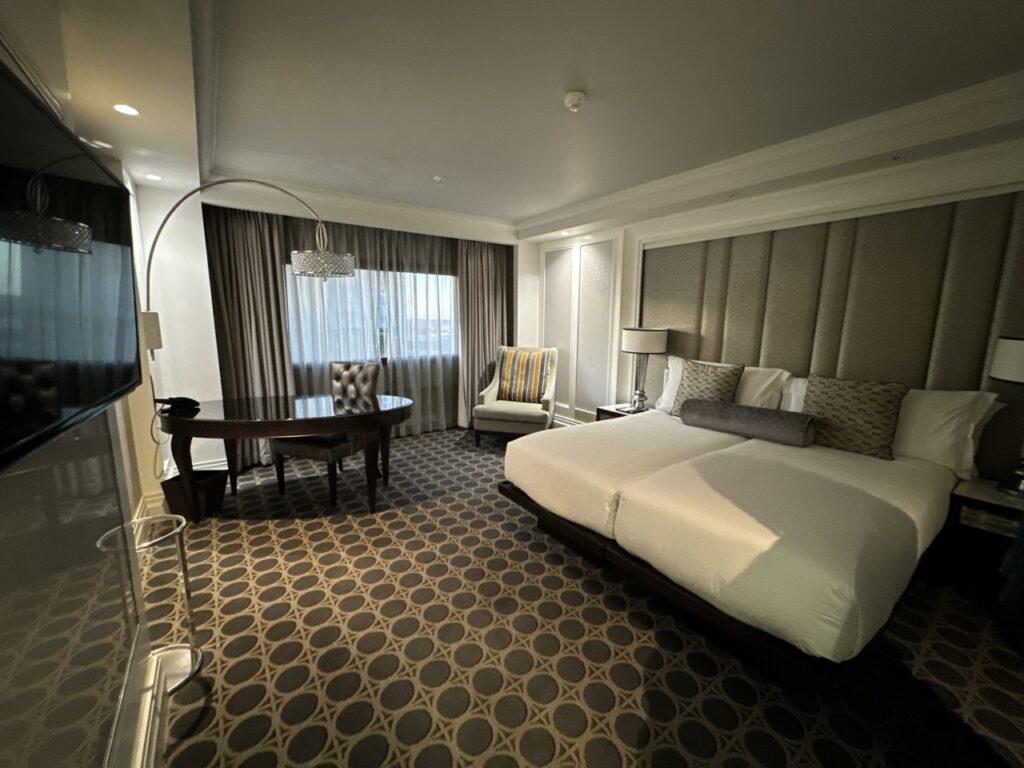
That afternoon, we checked into the Sandton Sun and Towers in the heart of Sandton—Johannesburg’s up-and-coming financial and lifestyle district.

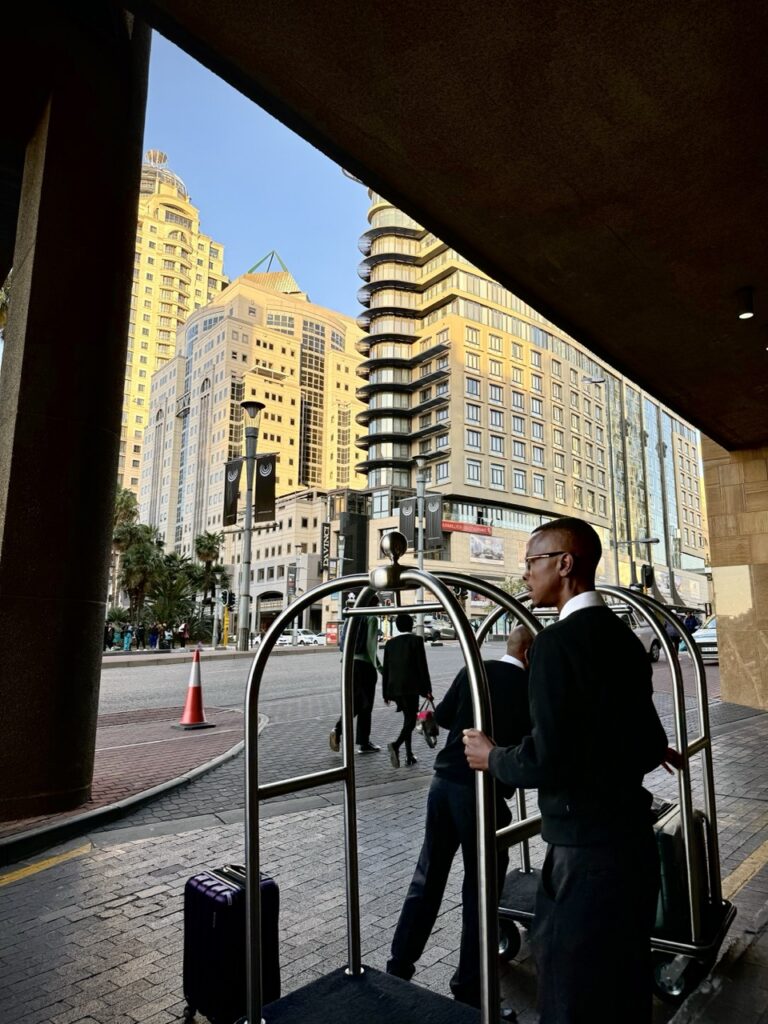
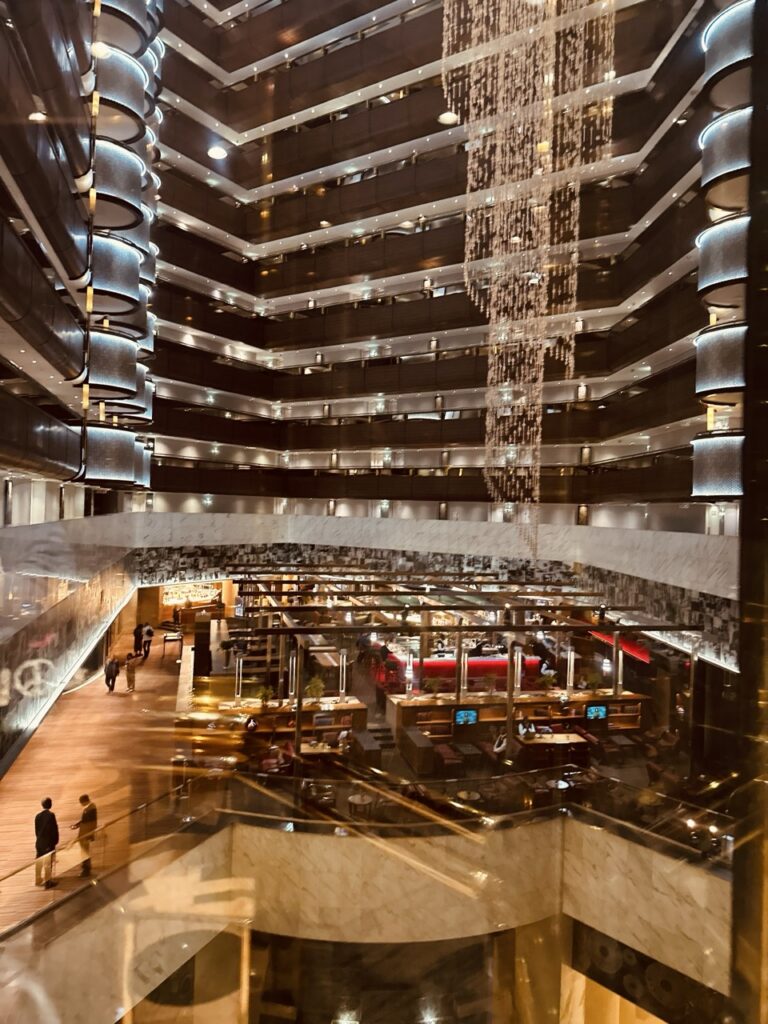
The property is an iconic five-star landmark, seamlessly connected to Sandton City and the Sandton Convention Centre. With 557 contemporary rooms, executive workspaces, Nespresso machines, curated minibars, and sweeping city views, it would have been easy to forget we were in South Africa at all. At moments, it felt more like Beverly Hills.
The hotel connects directly to a luxury mall lined with brands you might expect to see on Rodeo Drive. While Louis Vuitton and Gucci were familiar sights, what truly caught my attention was MAXHOSA AFRICA.
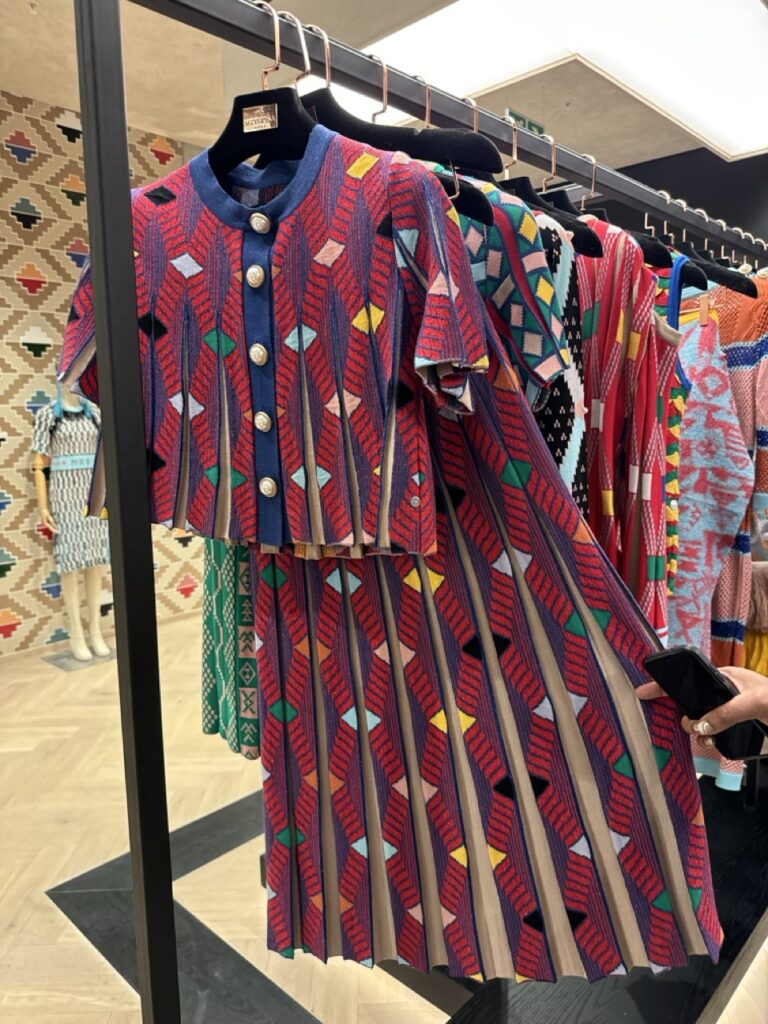
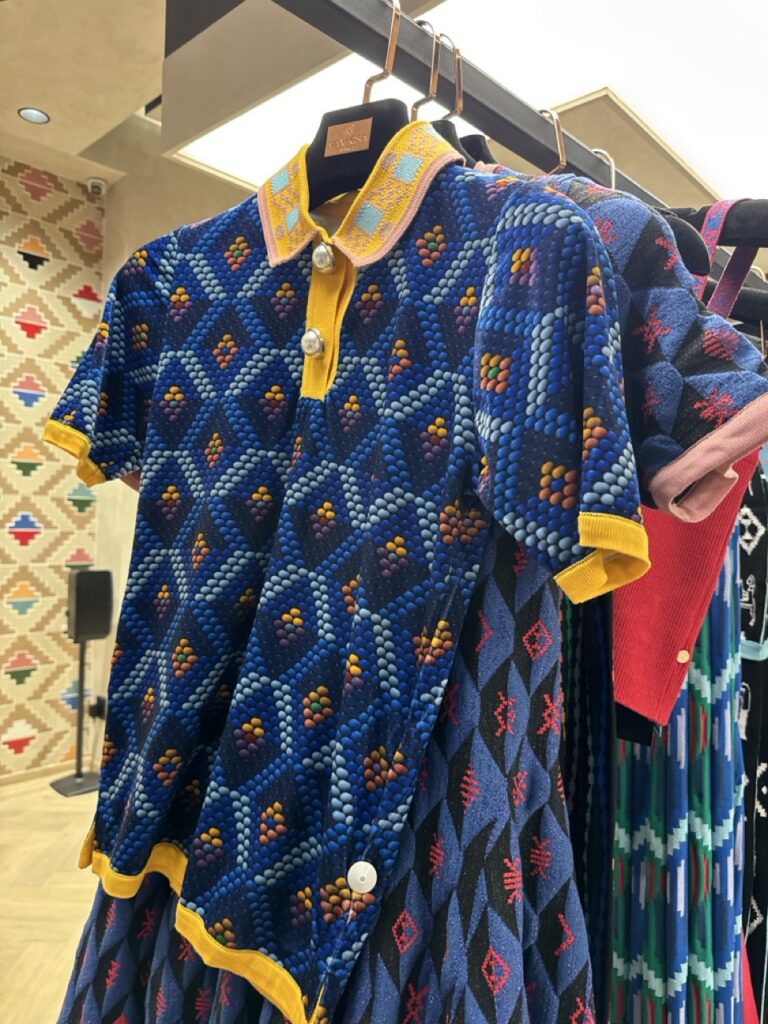
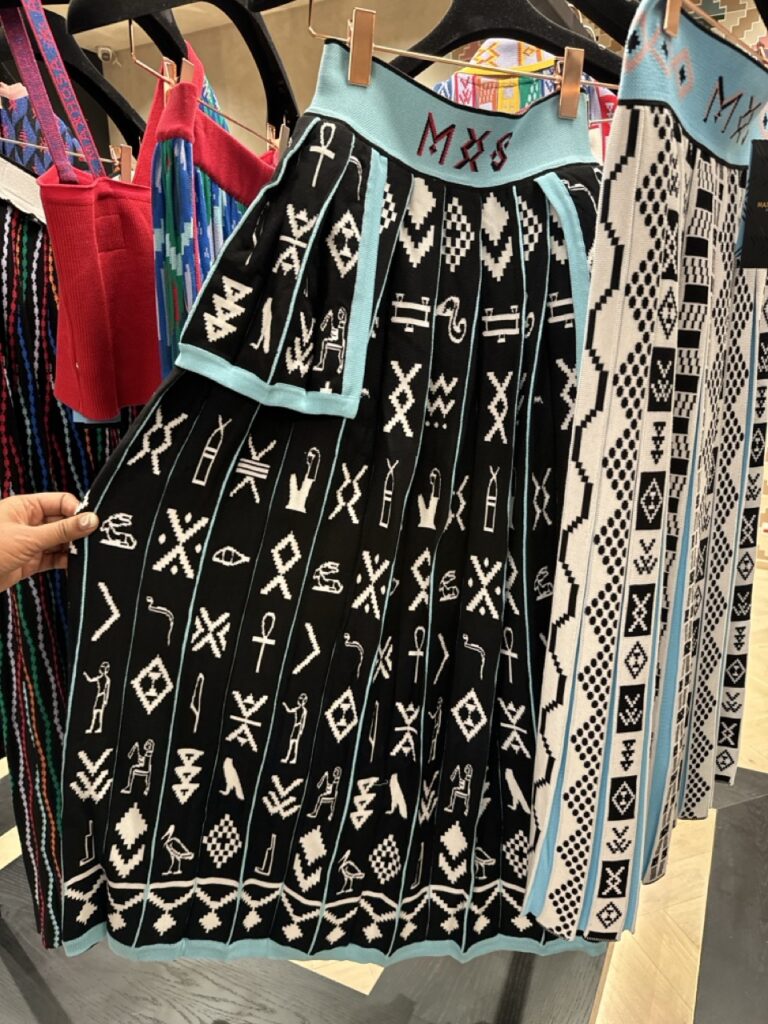
Founded by Laduma Ngxokolo, MAXHOSA blends traditional Xhosa beadwork patterns with Western silhouettes, creating striking knitwear made locally from Merino wool. The pieces were substantial, beautifully constructed, and rich in cultural storytelling. Though outside my budget, owning one someday has officially made it onto my bucket list.
Just outside the mall sits Nelson Mandela Square, where a towering bronze statue of South Africa’s first Black president presides over a vibrant plaza filled with restaurants from around the world.
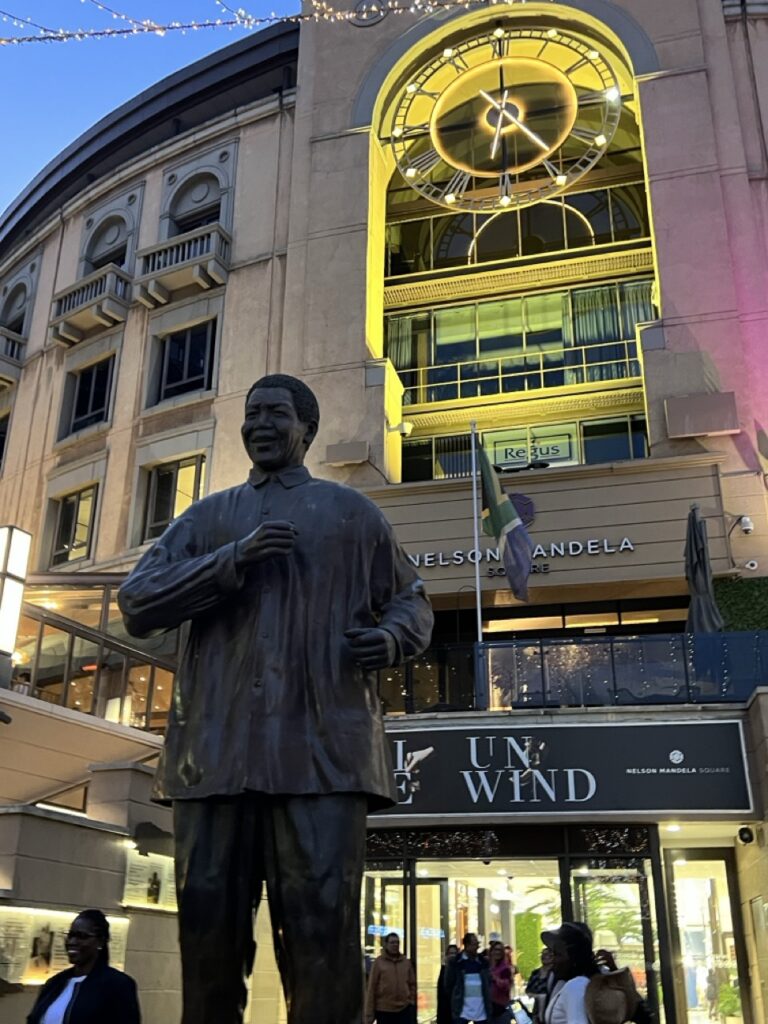
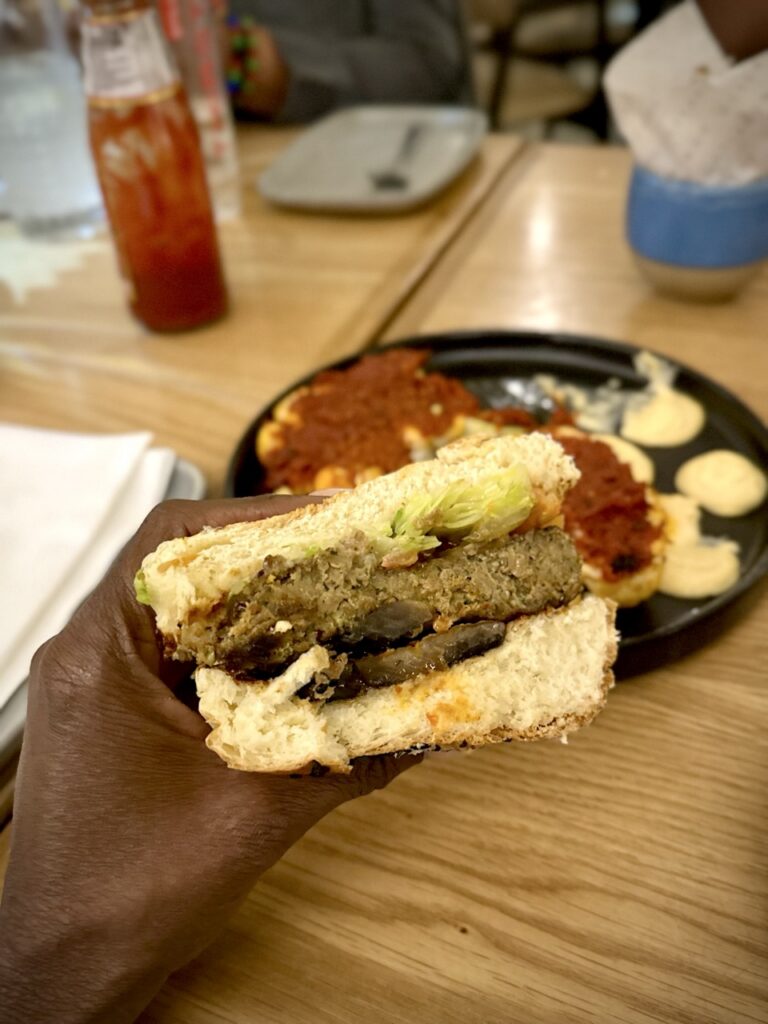
After much debate (we were traveling with a large group), some of us dined at Cilantro. Though not exclusively vegan, it offered generous plant-based options. I opted for a plant-based burger with an added portobello mushroom—simple, satisfying, and perfect after a long day.
From Presidential Home to Township Reality
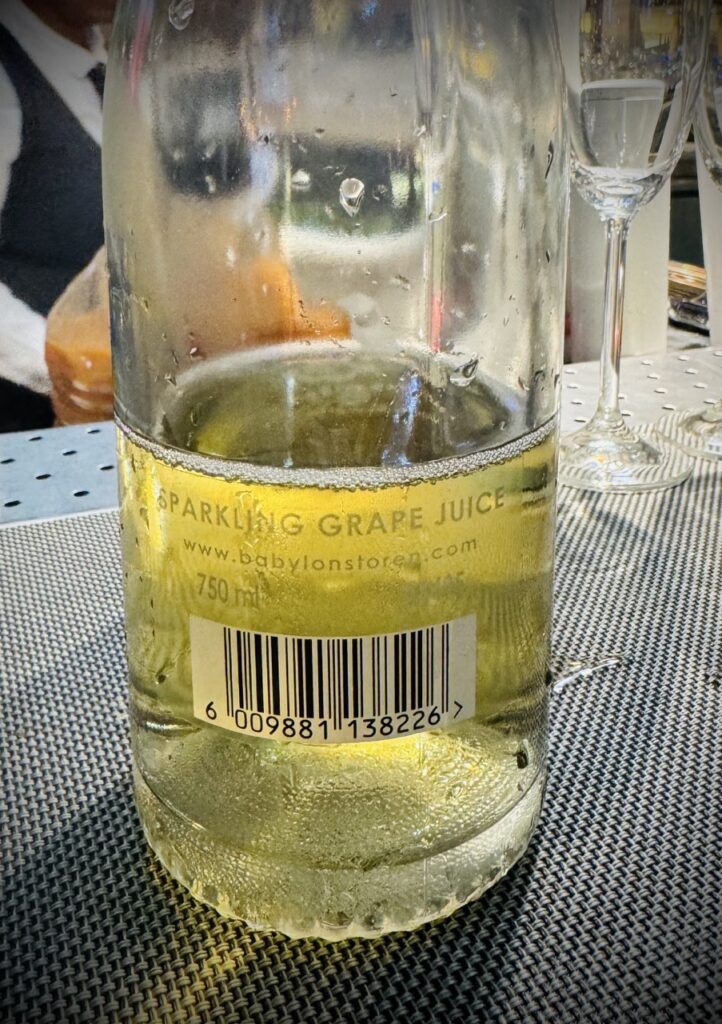
The next morning, after an impressive breakfast buffet at the hotel’s Atrium restaurant—complete with fresh fruit, cereals, dishes made to order, and perhaps the best nonalcoholic sparkling wine I’ve ever tasted—we left Sandton behind.
Our first stop was Nelson Mandela’s Presidential home located in an affluent neighborhood reminiscent of some areas of southern California. While the high walls made it difficult to see the entire home, we were just excited to be able to experience a slice of history.
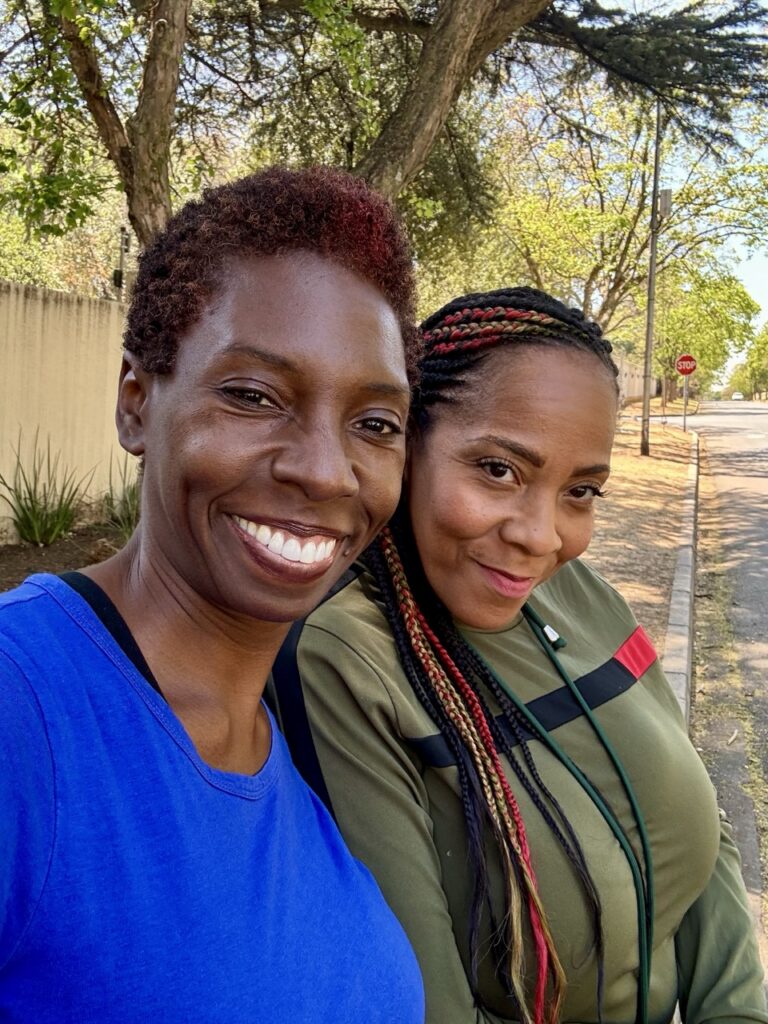
From there, we drove into Soweto, the infamous township to which Blacks were relegated during apartheid-era South Africa.
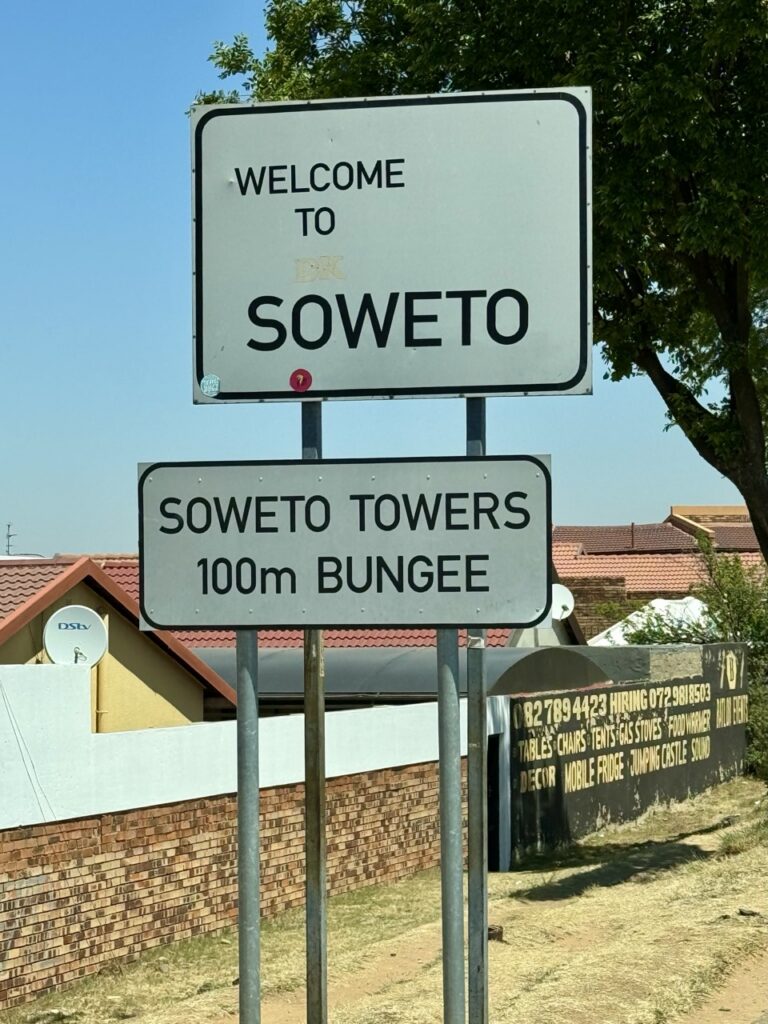
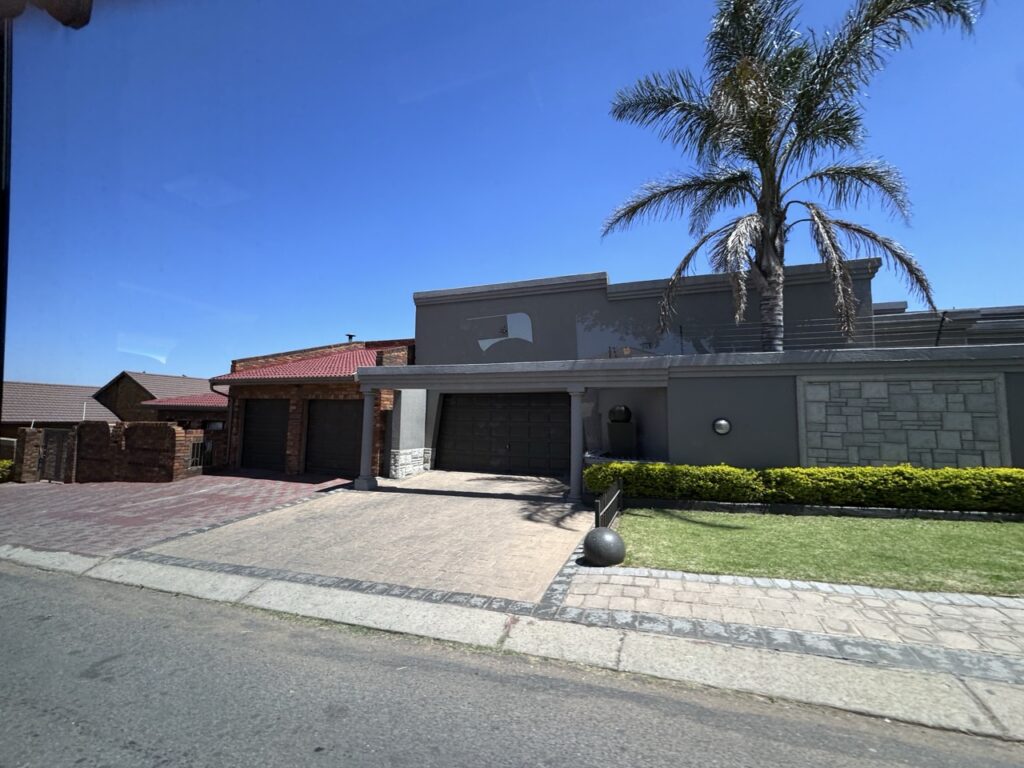
Our guide proudly showed us areas of newly built homes and pristine lawns—evidence of an emerging Black middle class in post-apartheid South Africa. But not far away were sprawling settlements of corrugated tin shacks, where families continue to struggle for economic stability.
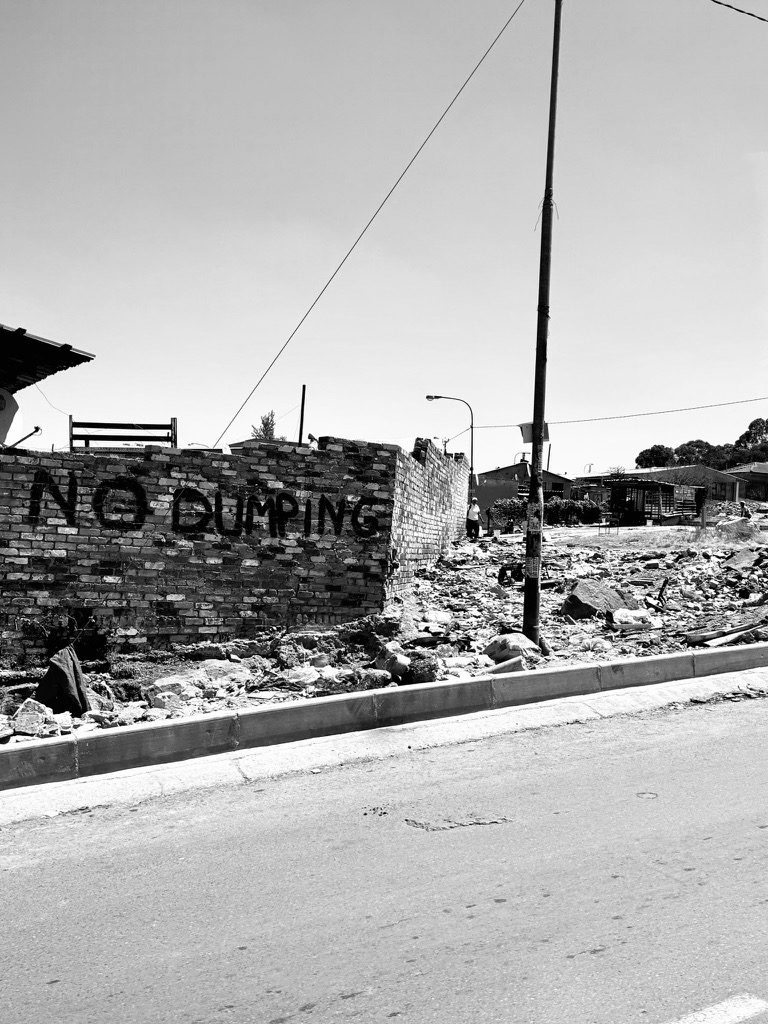
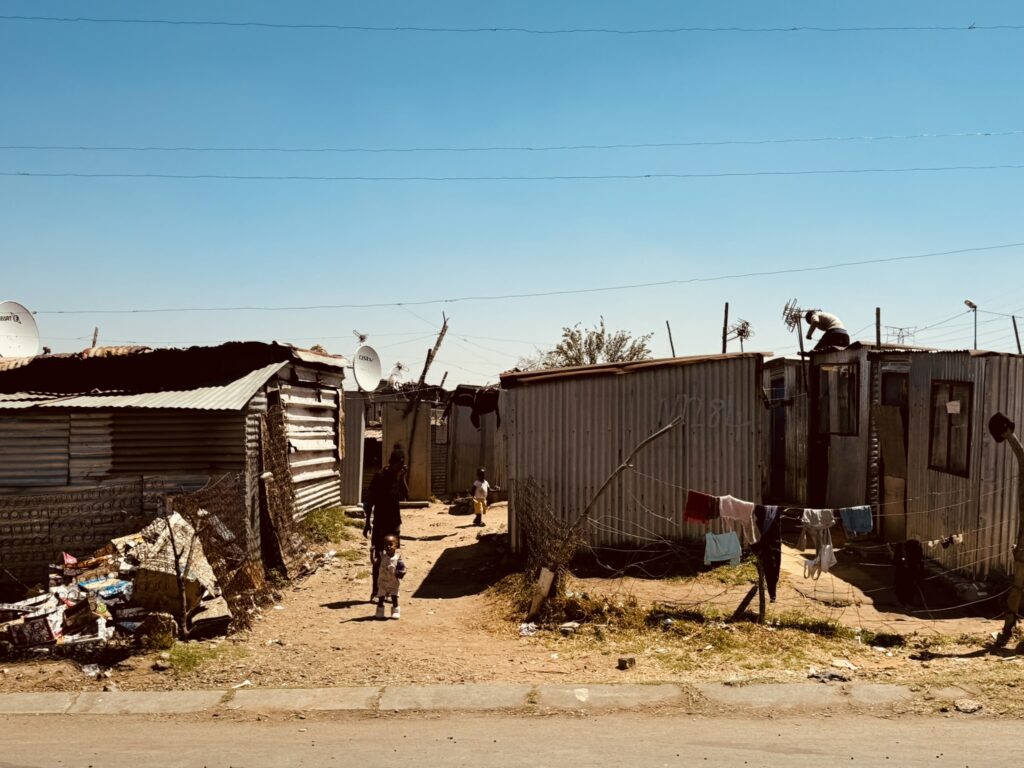
The contrast was striking.
It was a sobering reminder that centuries of systemic inequality do not disappear overnight. And yet, in both places, resilience was evident.
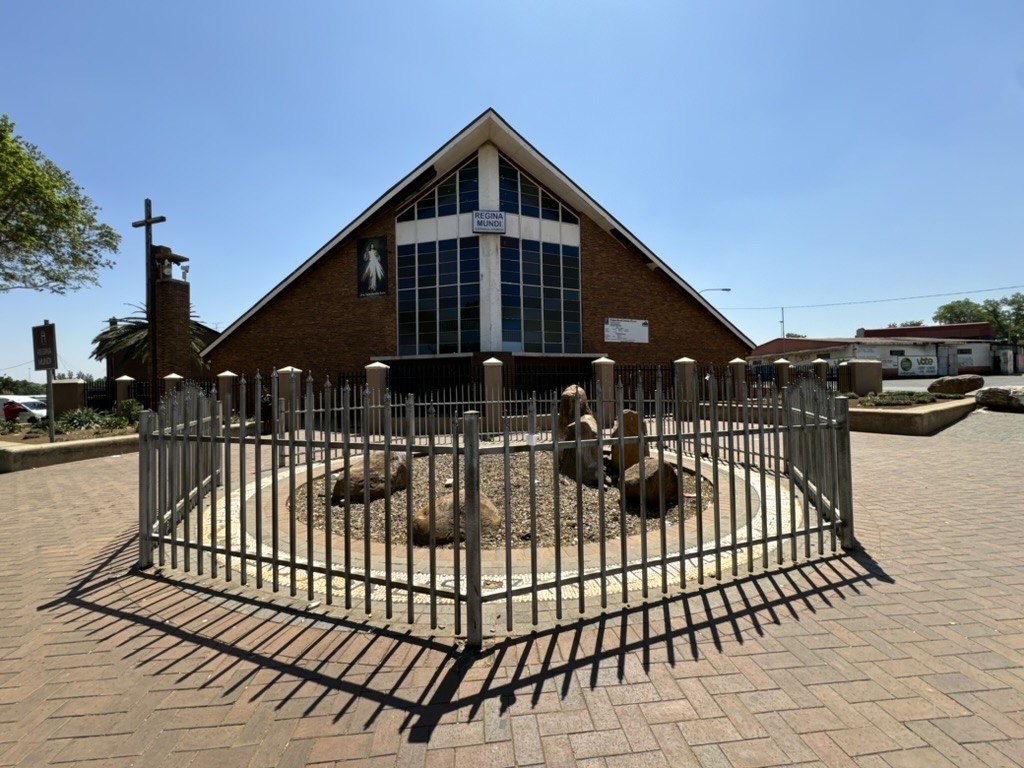
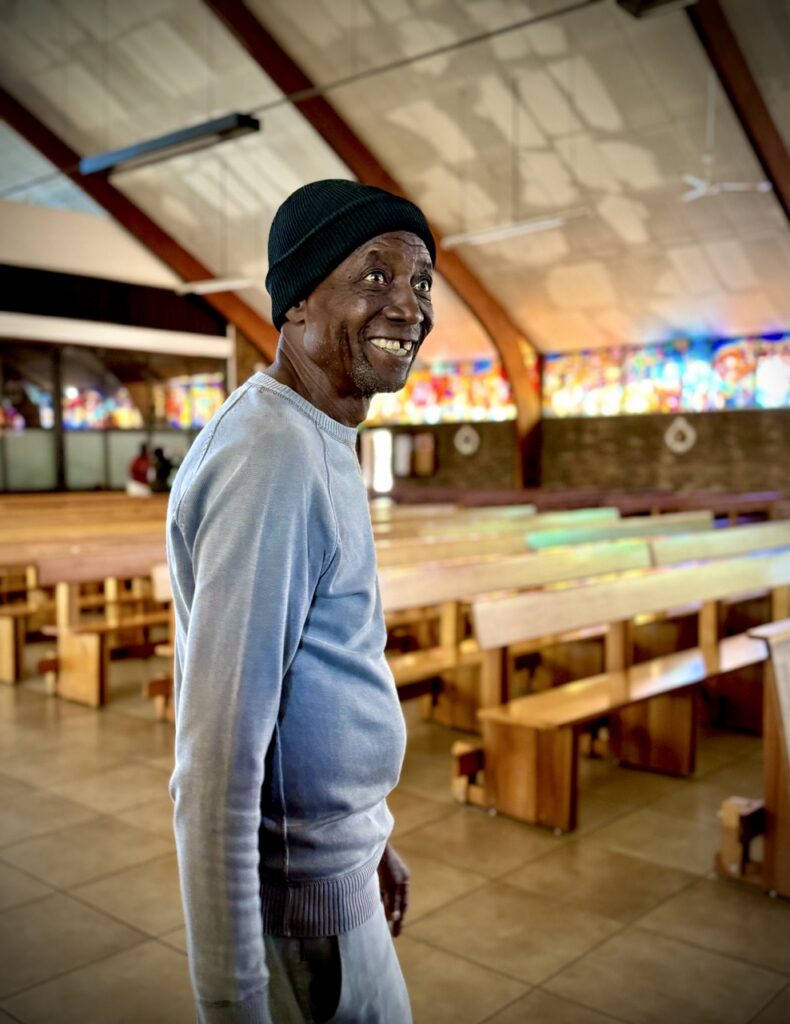
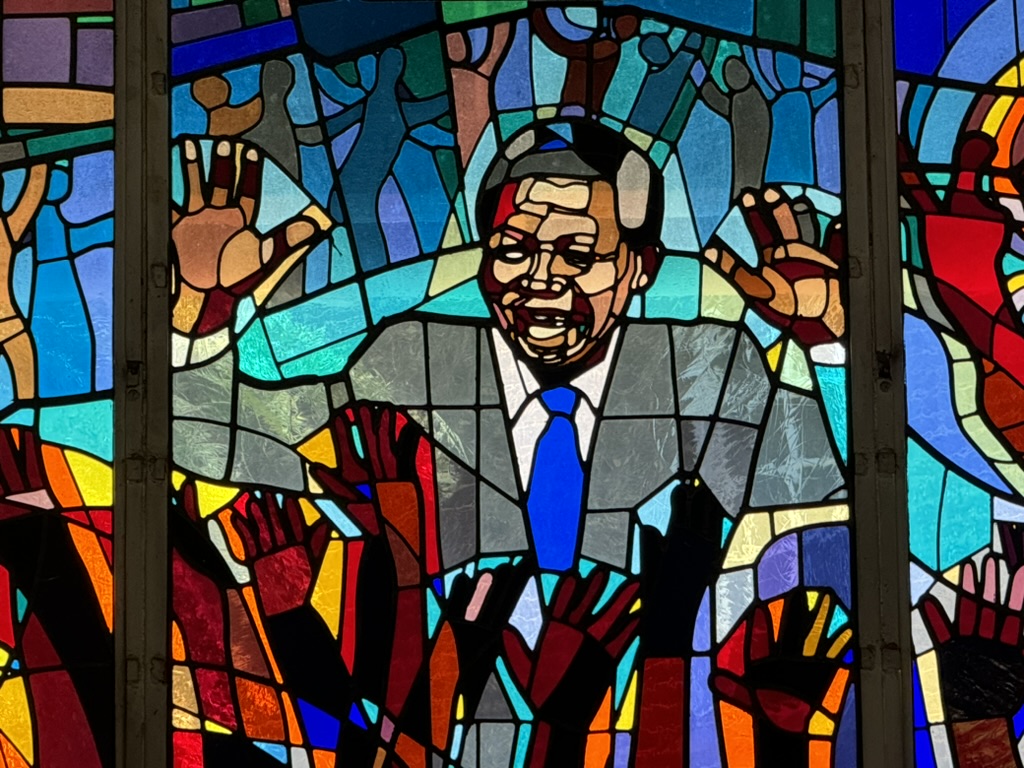
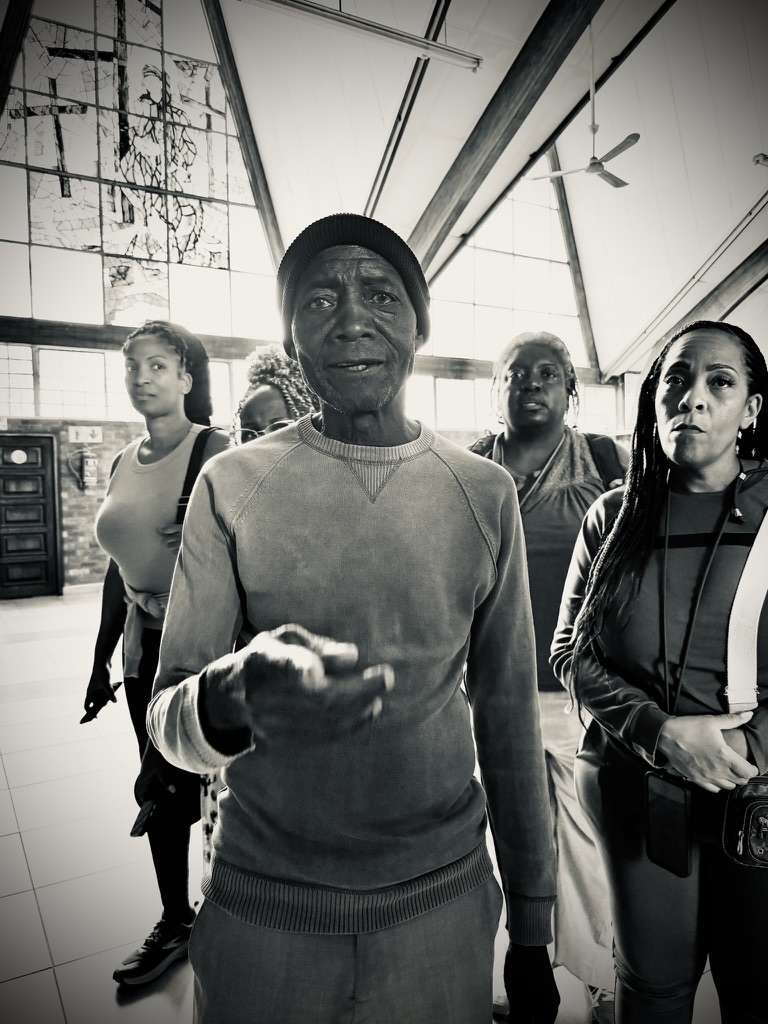
We were privileged to visit a church that had played a pivotal role in the anti-apartheid movement, listening as our guide—who had lived through those turbulent years—shared stories that made history feel immediate and personal.
Ubuntu at the Table
Lunch was at Sakhumzi Restaurant on Vilakazi Street.
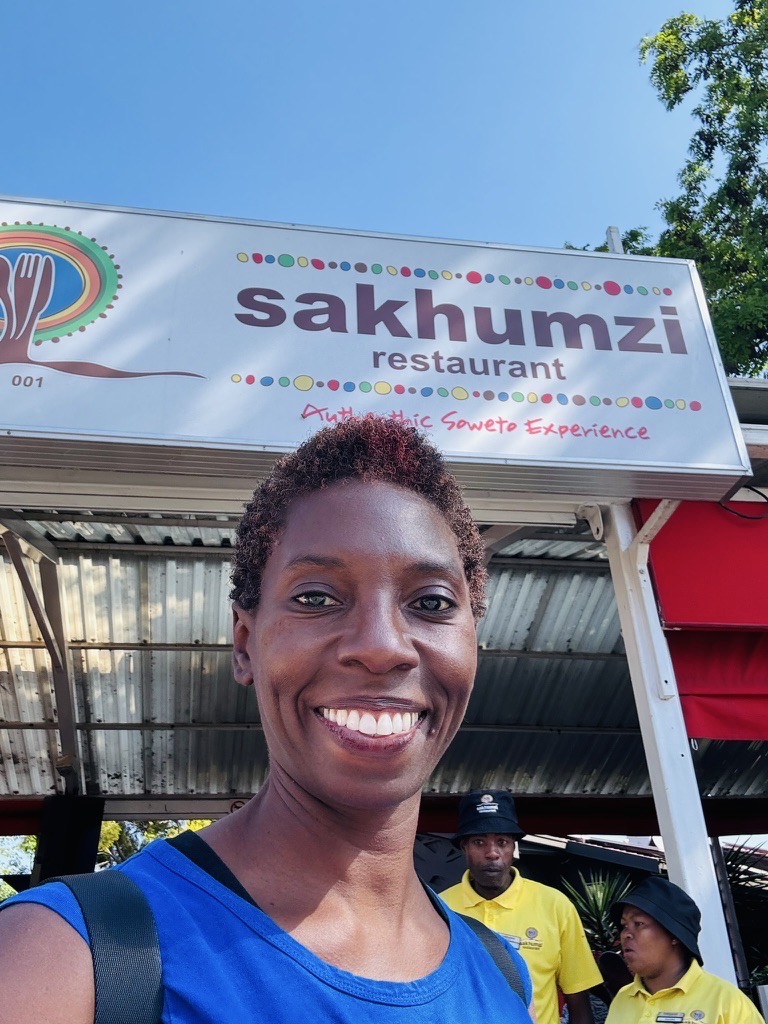
Sakhumzi began under a tree where friends gathered to share beers, stories, and dreams. When hunger struck, home-cooked food was shared freely. Eventually, what began as informal hospitality became a formal restaurant in 2001—though the original house, walls, and even the tree remain.
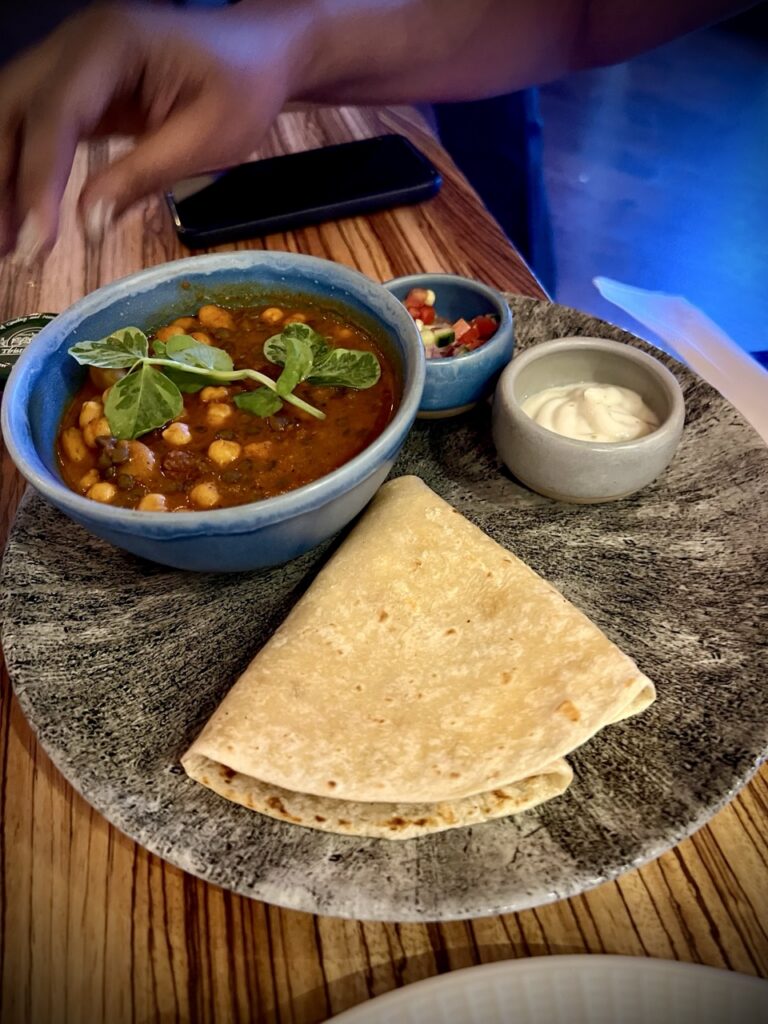
The daily buffet features classic township fare: pap, samp and beans, chakalaka, lamb stew, roasted chicken, mogodu (tripe), steamed bread, salads, soups, and desserts. It’s an all-you-can-eat celebration of “kasi” flavor and community.
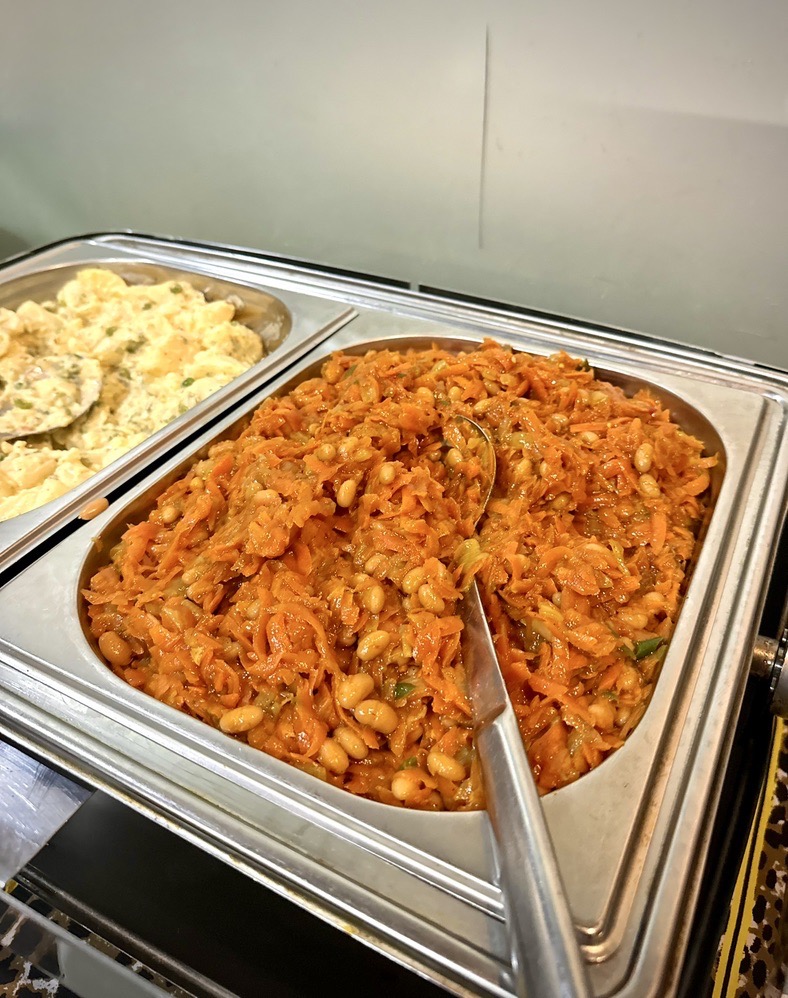
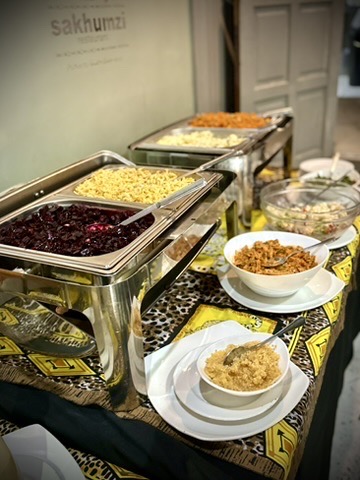
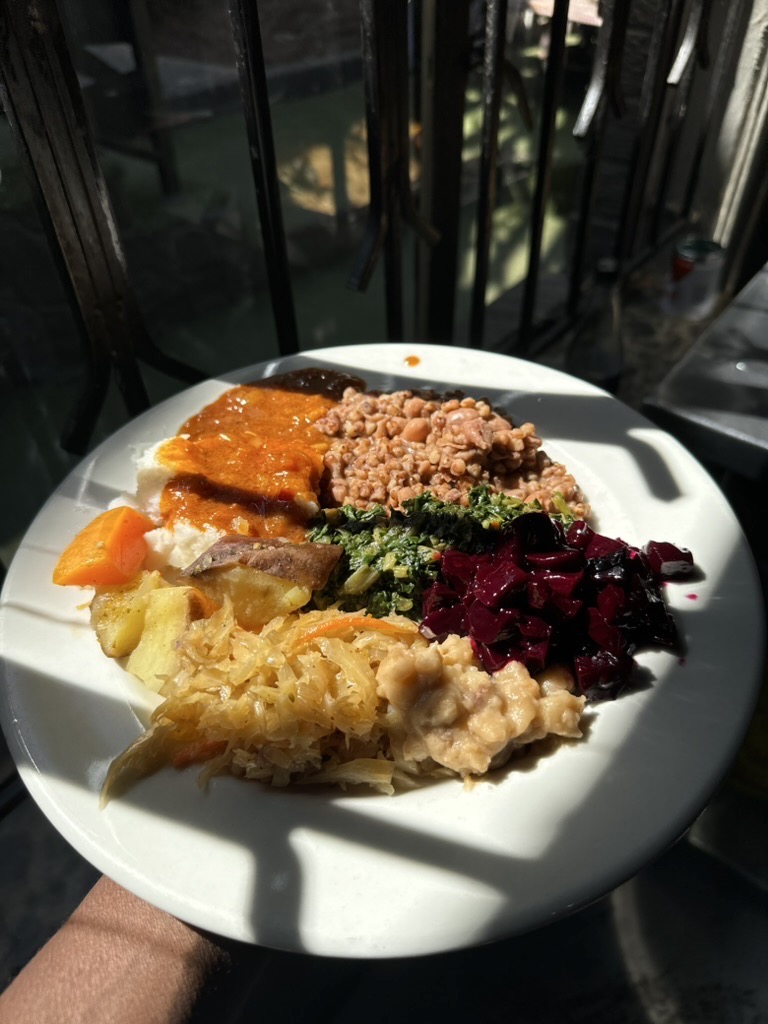
Though not a vegan restaurant, there were vegetable dishes to enjoy, and more importantly, there was fellowship. Sakhumzi embodies ubuntu—the belief that “I am because we are.”
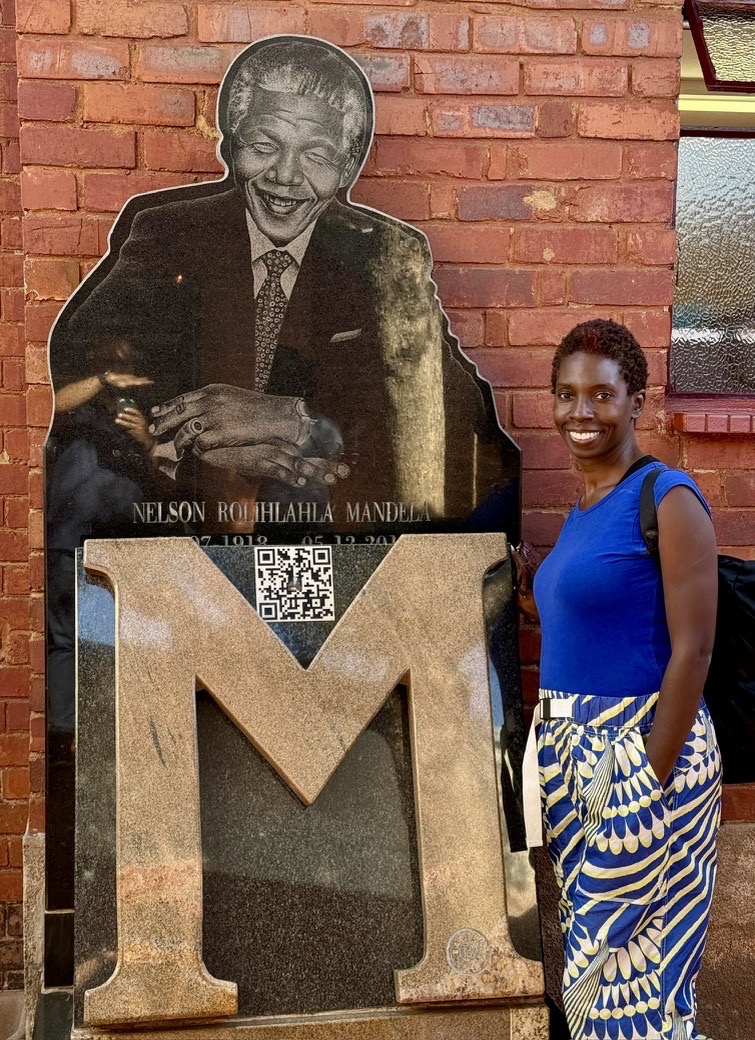
Across the street stands the Mandela House Museum, the home where Nelson Mandela lived with his family during the early years of the struggle.
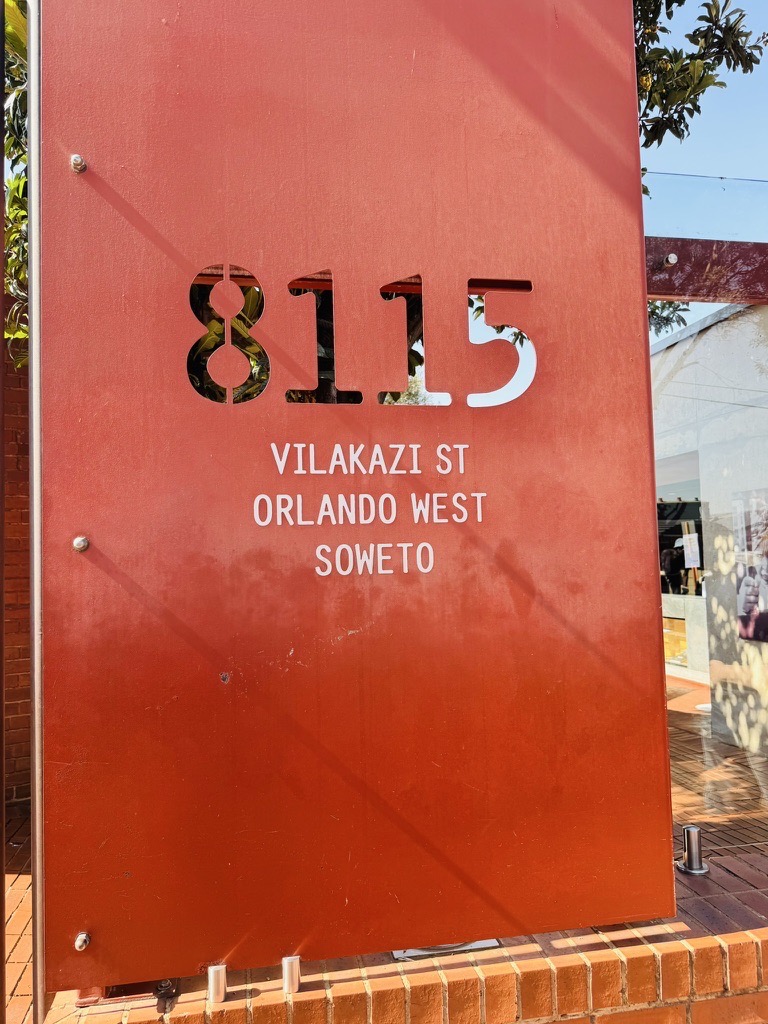
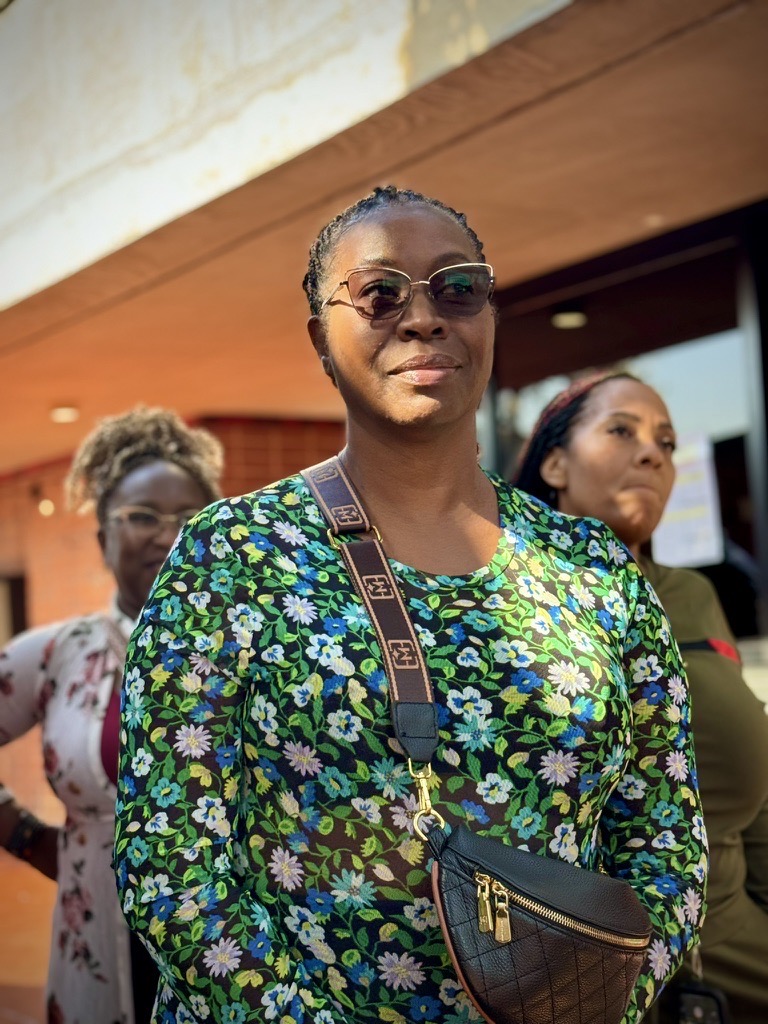
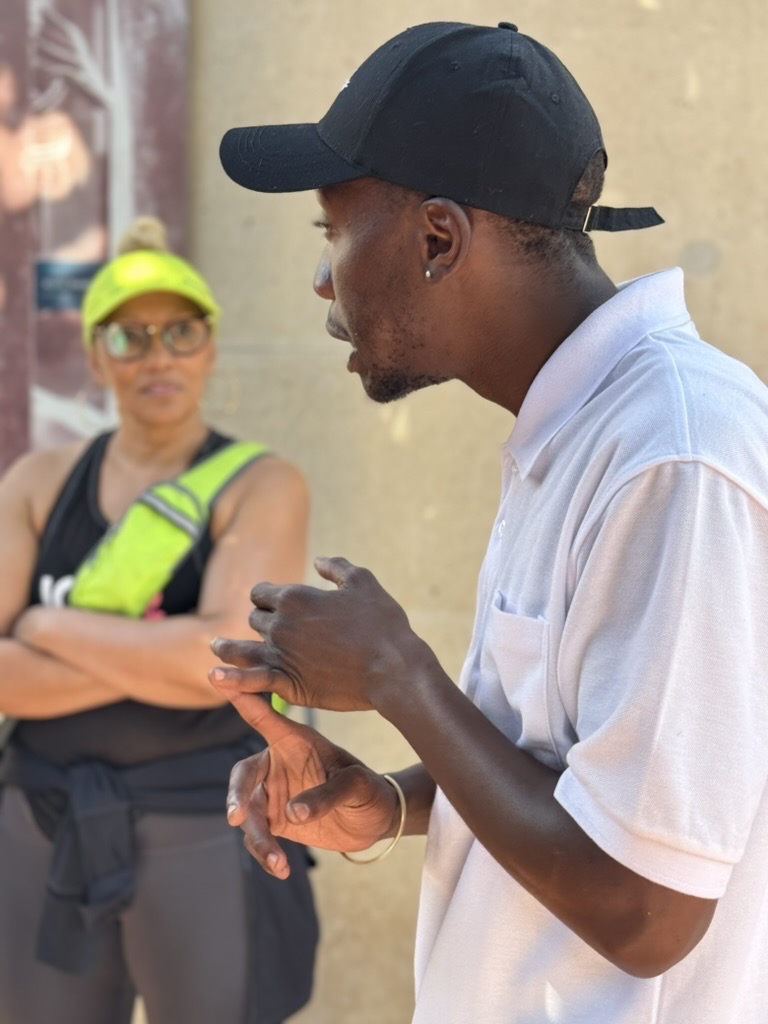
Just a short distance away is the Hector Pieterson Museum, memorializing the 1976 Soweto Uprising, when students protesting Afrikaans as the language of instruction were met with police violence. The museum honors Hector Pieterson, one of the first youth killed during the uprising.
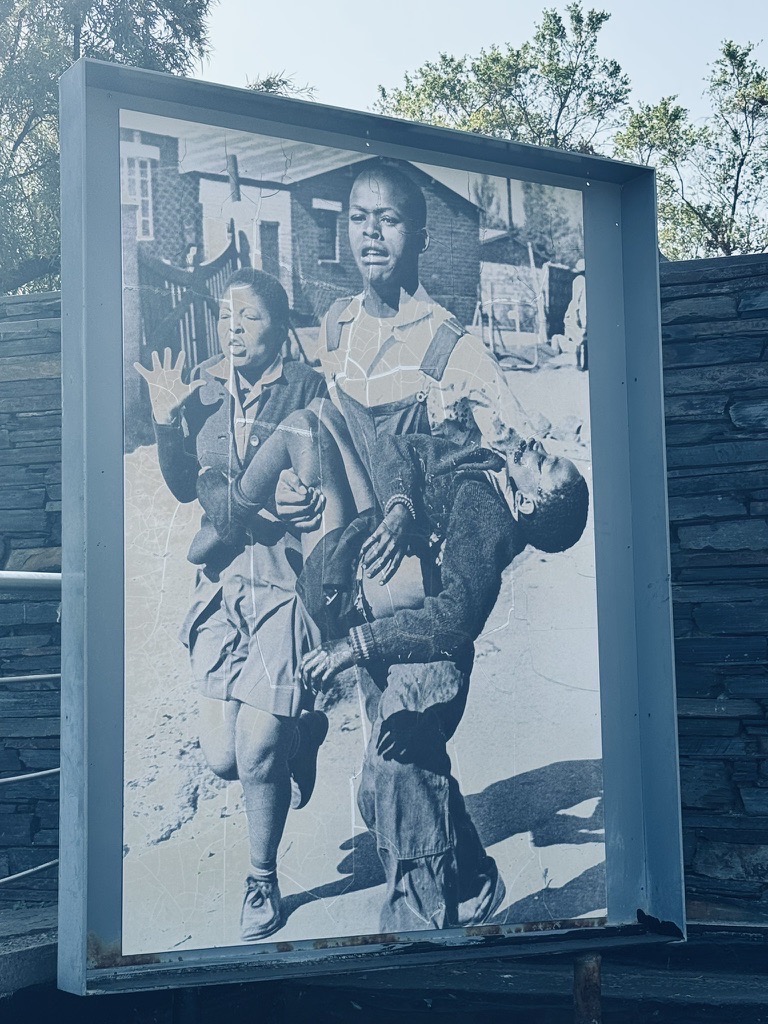
If you’ve seen Sarafina!, you remember how tragic that chapter was.
Walking those streets made the history tangible.
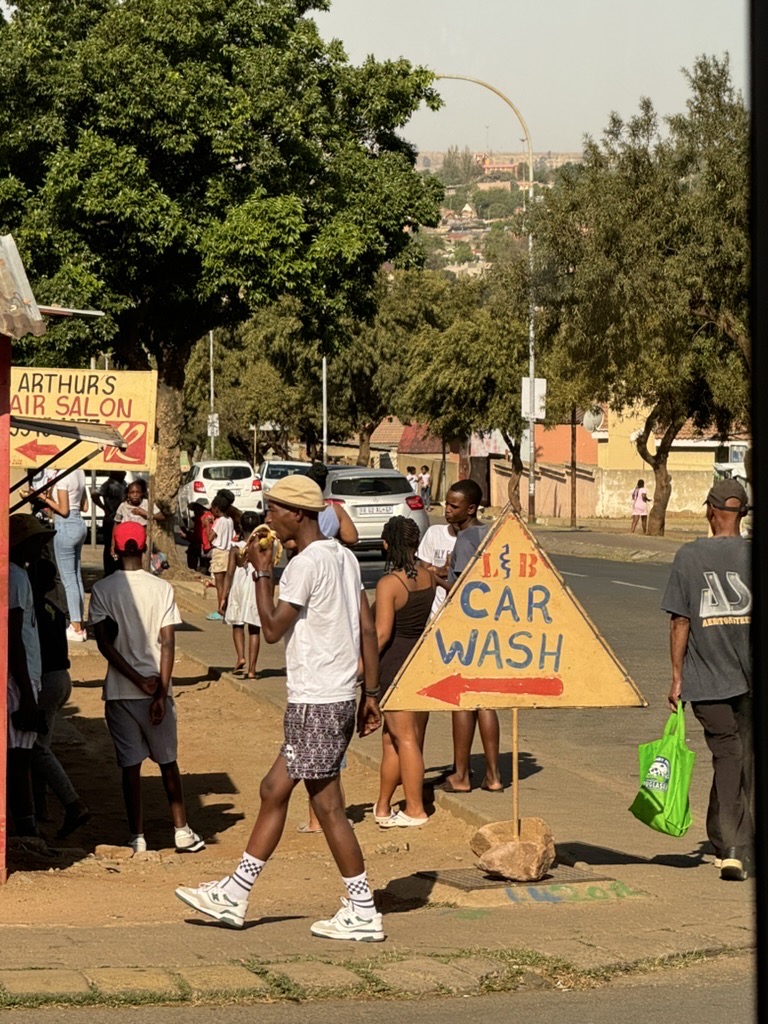
Joy in the Shadow of Struggle
Despite the sobering realities, what stayed with me most was the joy. The warmth. The laughter. The pride.
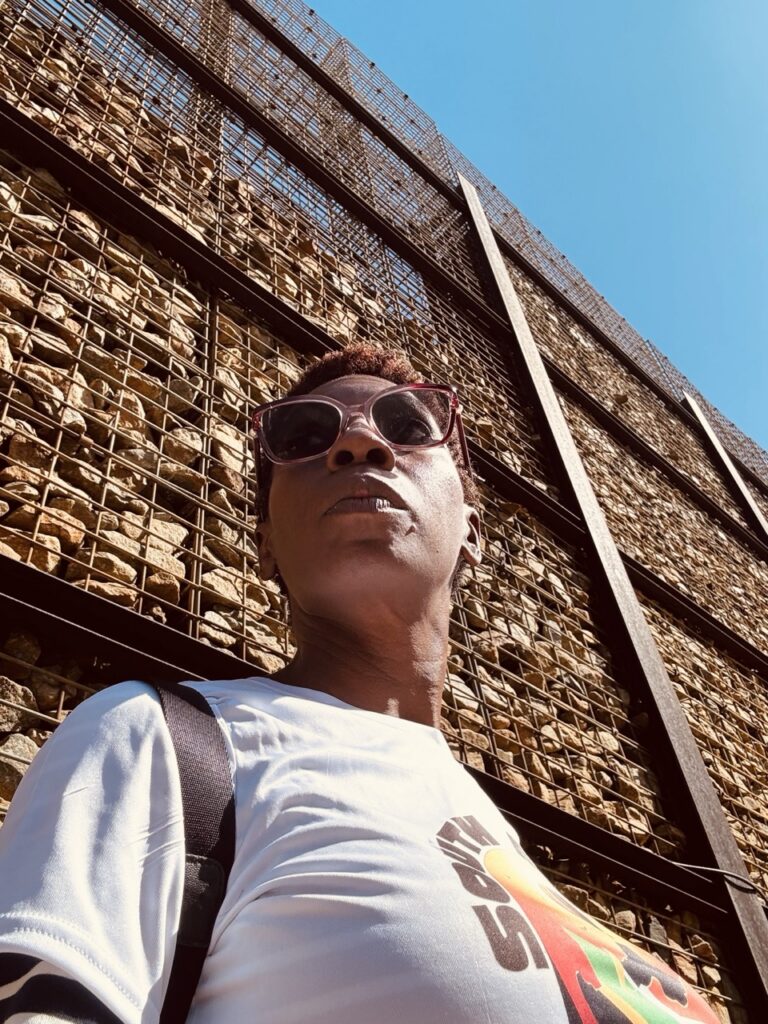
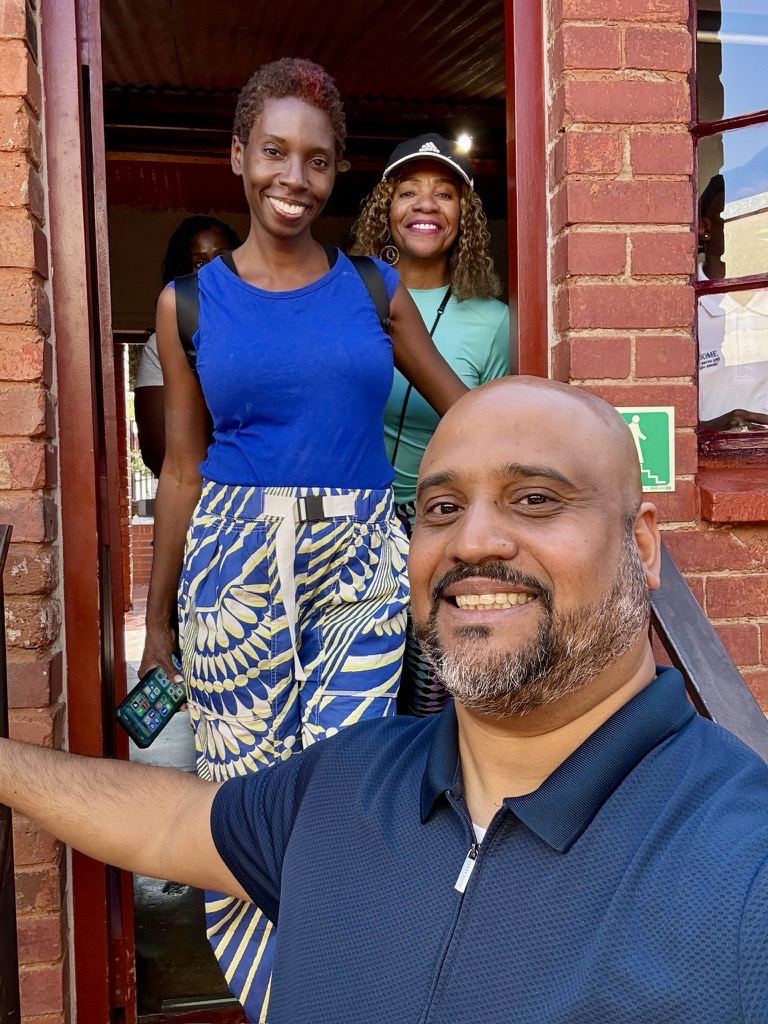
Our trip ended quickly, as travel often does—whisked away to the airport for a late-night flight. But South Africa didn’t owe us anything. If anything, we owed her more time.
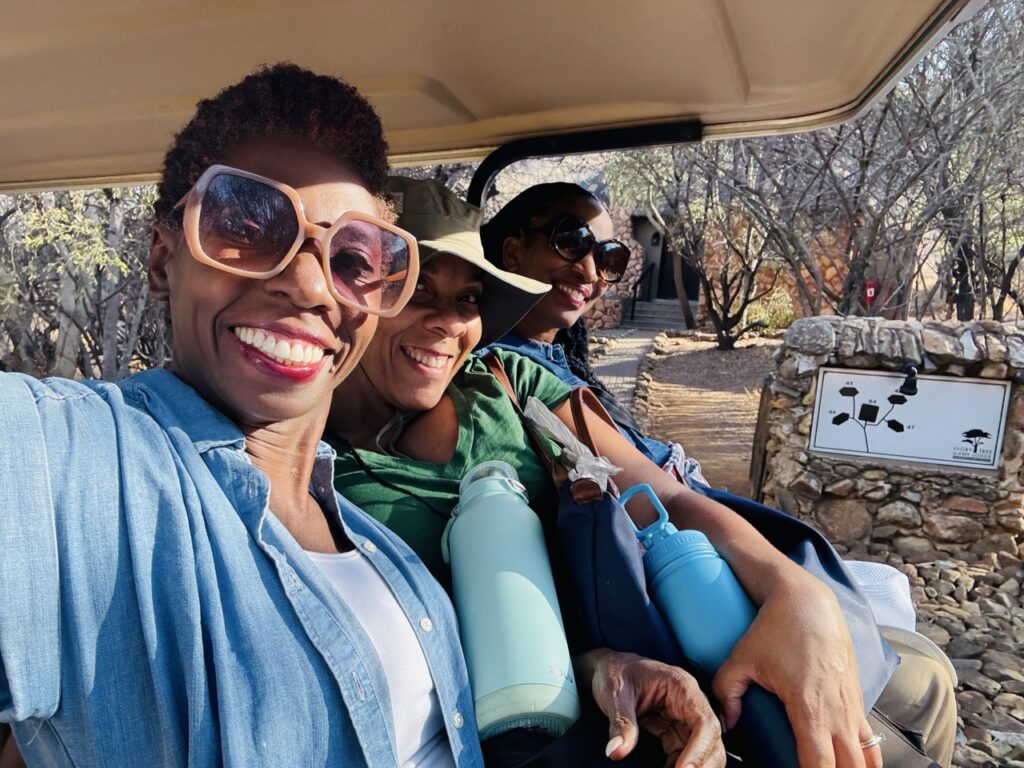
Johannesburg challenged us. It confronted us. It expanded us.
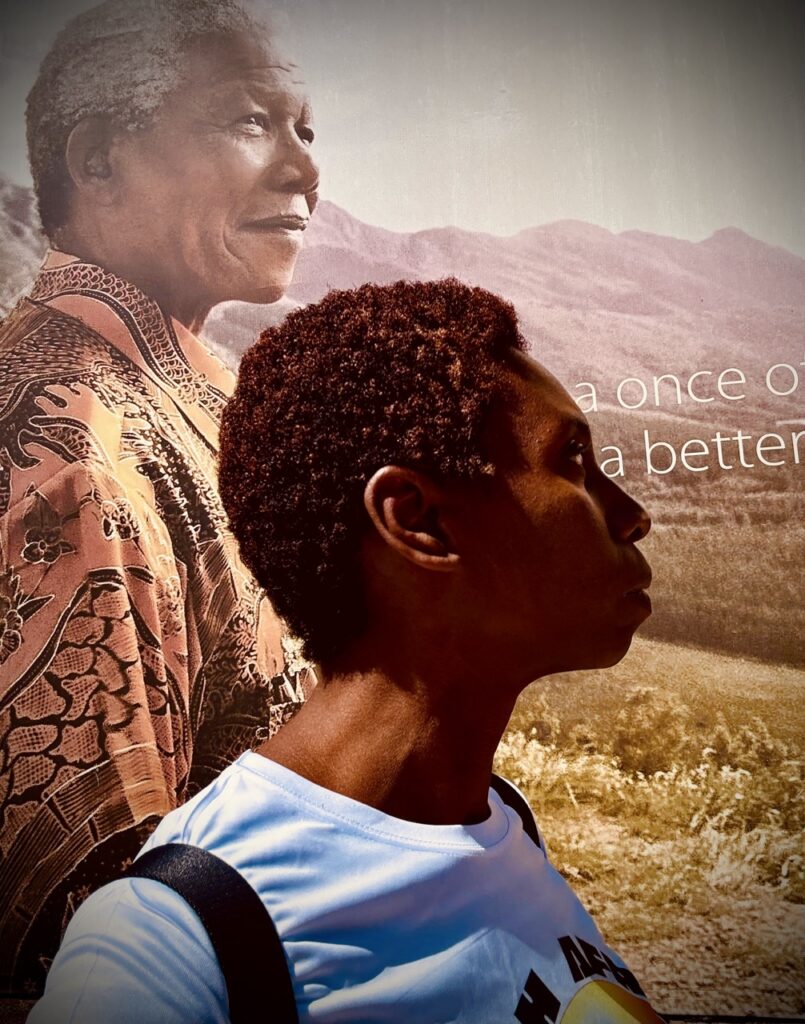
And it left us wanting to return—not just to see more beauty, but to understand more deeply.




+ show Comments
- Hide Comments
add a comment