

After our first couple of days in Cape Town, it was hard to imagine that the experience could get much better—but our final full day in the city was truly one for the books.
We woke up ready for adventure, hopeful that we would finally make it to the top of the iconic Table Mountain via cable car. Unfortunately, inclement weather had other plans. While we weren’t able to ascend, the views from the base were still breathtaking—sweeping cityscapes framed by ocean blues and rugged cliffs. Even from below, Table Mountain commands awe, standing as both a natural wonder and a symbolic guardian over the city.
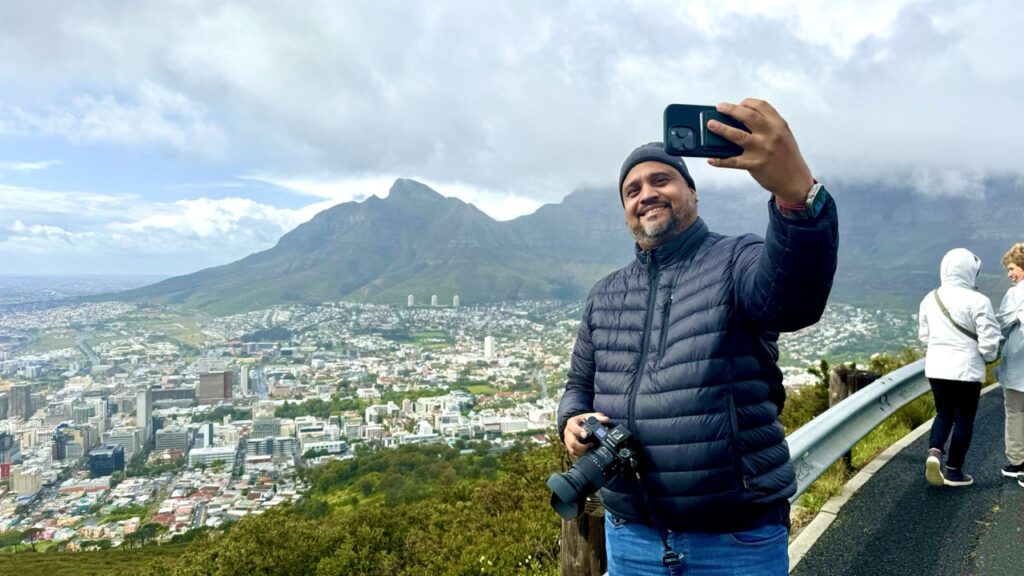
Sometimes travel teaches you to release expectations and savor what is—and that lesson would follow us throughout the day.
A Storybook Town with a Complicated Past: Stellenbosch
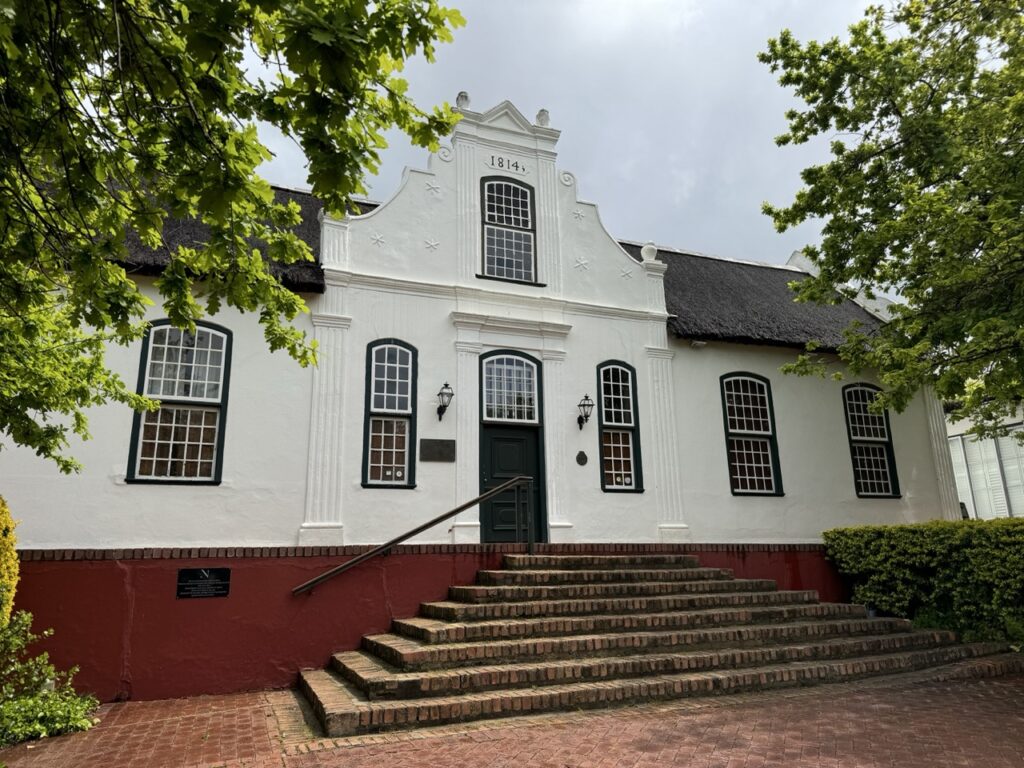
Our next stop took us just outside Cape Town to Stellenbosch, a picturesque university town nestled in the heart of South Africa’s famed wine country.
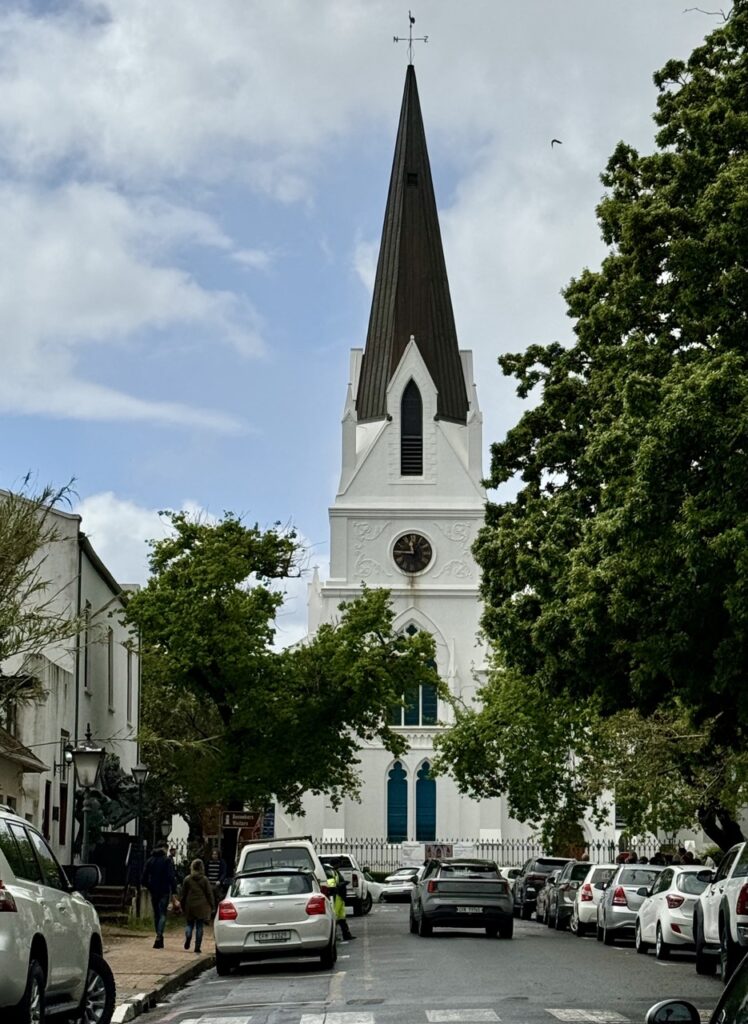
With its columned white buildings, narrow streets, leafy oak trees, and a steepled church rising above the town square, it looked as though it had been lifted straight from the pages of a fairytale.
But beneath that charming exterior lies a far more complex and sobering history.
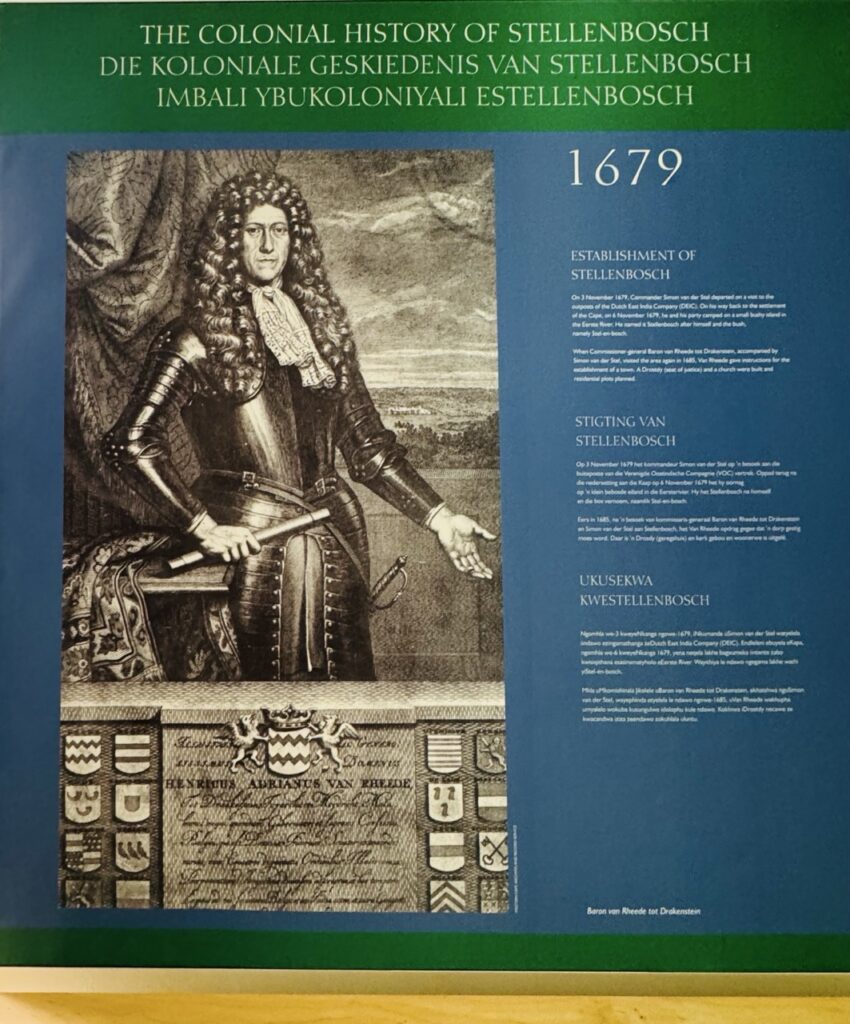
We learned that Stellenbosch—South Africa’s second-oldest town, founded in 1679—was once a significant center of Afrikaner nationalism. The university there, Stellenbosch University (SU), officially established in 1918 from earlier institutions dating back to the mid-1800s, played a major role in shaping apartheid-era leadership and ideology during the twentieth century.
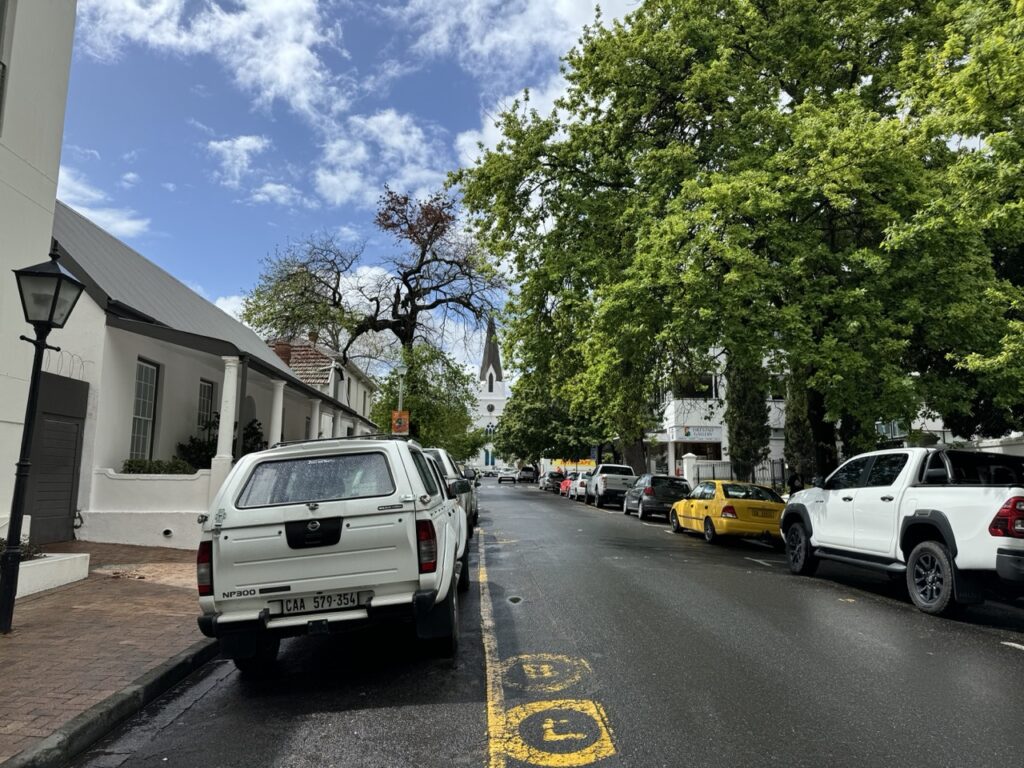
Our guide explained that SU was connected to the forced removal of Coloured and Black communities from an area known as Die Vlakte, which once occupied land in the middle of the campus between 1964 and 1970. Walking through the quiet streets, dotted with cafés and art galleries, I was reminded how places can carry layers of beauty and pain at the same time.
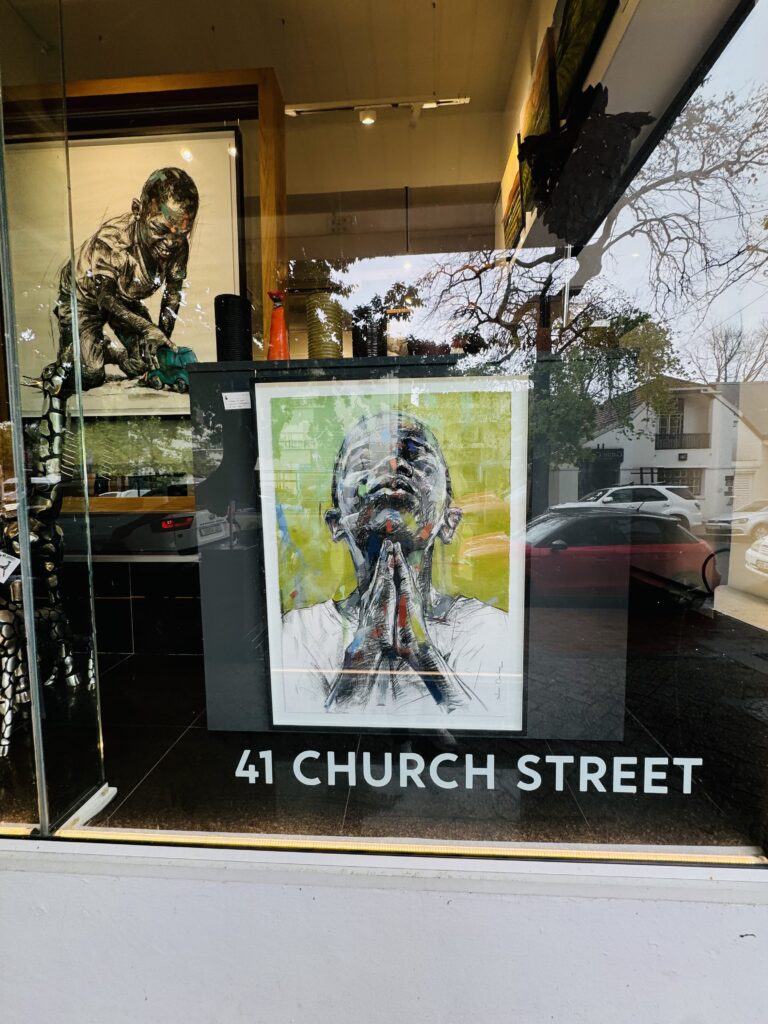
Today, Stellenbosch University is a leading research institution with more than 35,000 students and ten faculties. It launched Africa’s first microsatellite, SUNSAT, in 1999 and marked its centenary in 2018 with a renewed focus on inclusion and transformation—a testament to how spaces can evolve while still reckoning with their past.

I appreciated the museum that shared this history and wished I’d had more time to fully absorb it. But travel realities—and my love for a good souvenir—intervened. I wandered into charming shops filled with handcrafted goods and unique finds, leaving town with bags in hand, gifts secured, and a quiet promise to keep learning more about the stories behind the places I visit.
Rolling Vineyards and a Whimsical Lunch
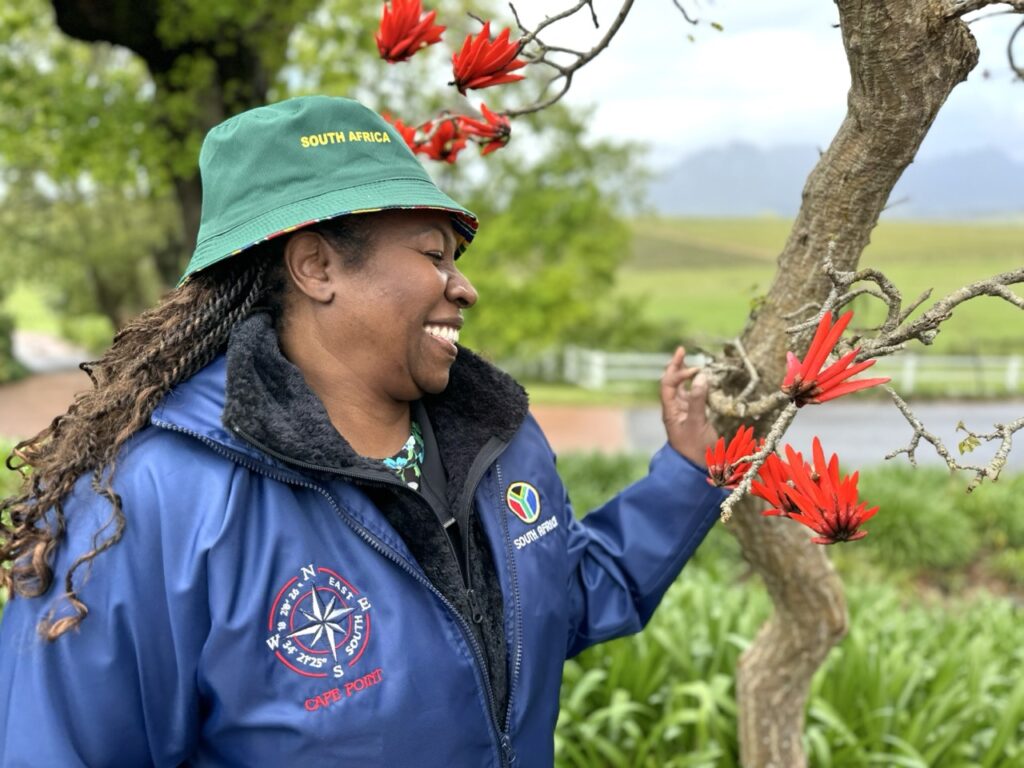
From Stellenbosch, we headed deeper into wine country for a stop at one of the region’s picturesque wineries. While I don’t drink alcohol, I still found myself completely captivated by the rolling vineyards, lush gardens, and centuries-old traditions of winemaking. Sometimes the beauty of a place is intoxicating all on its own.
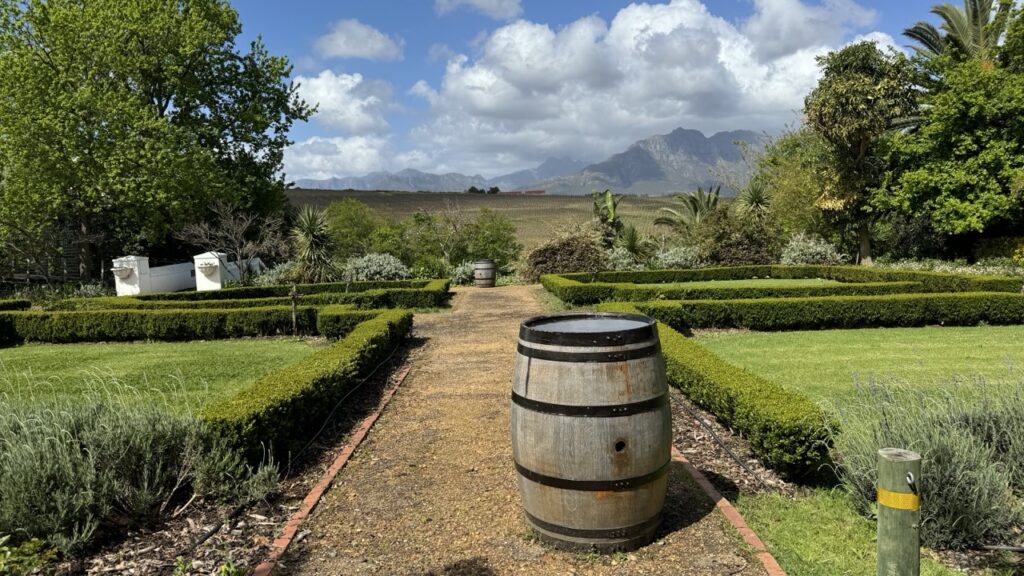
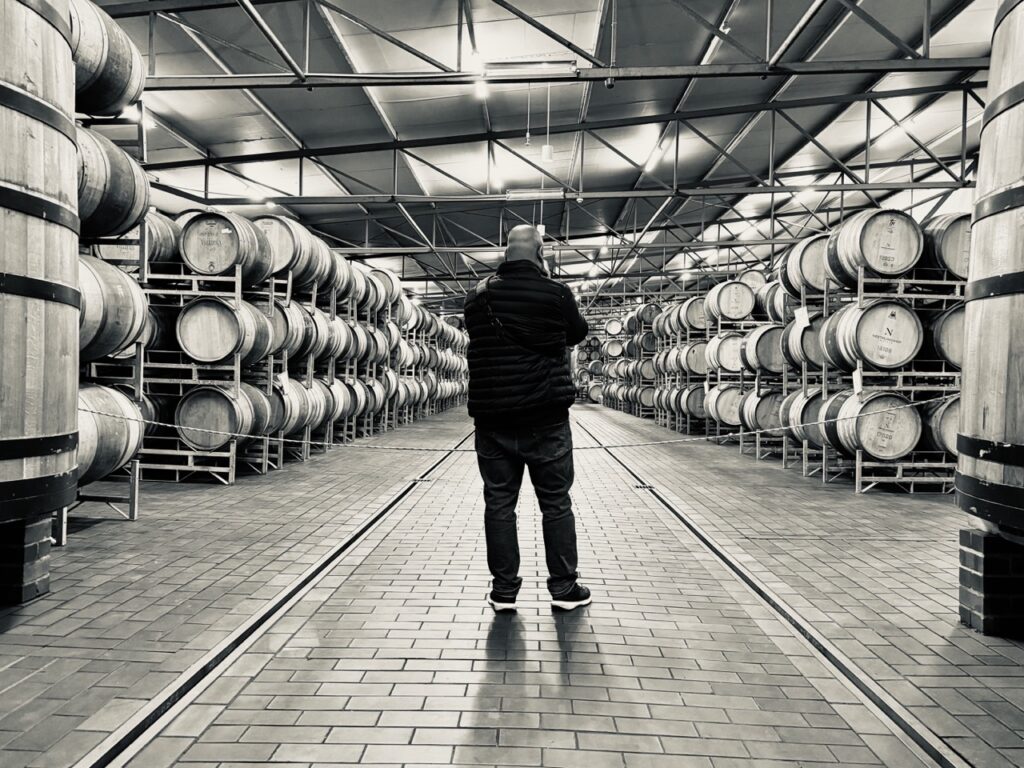
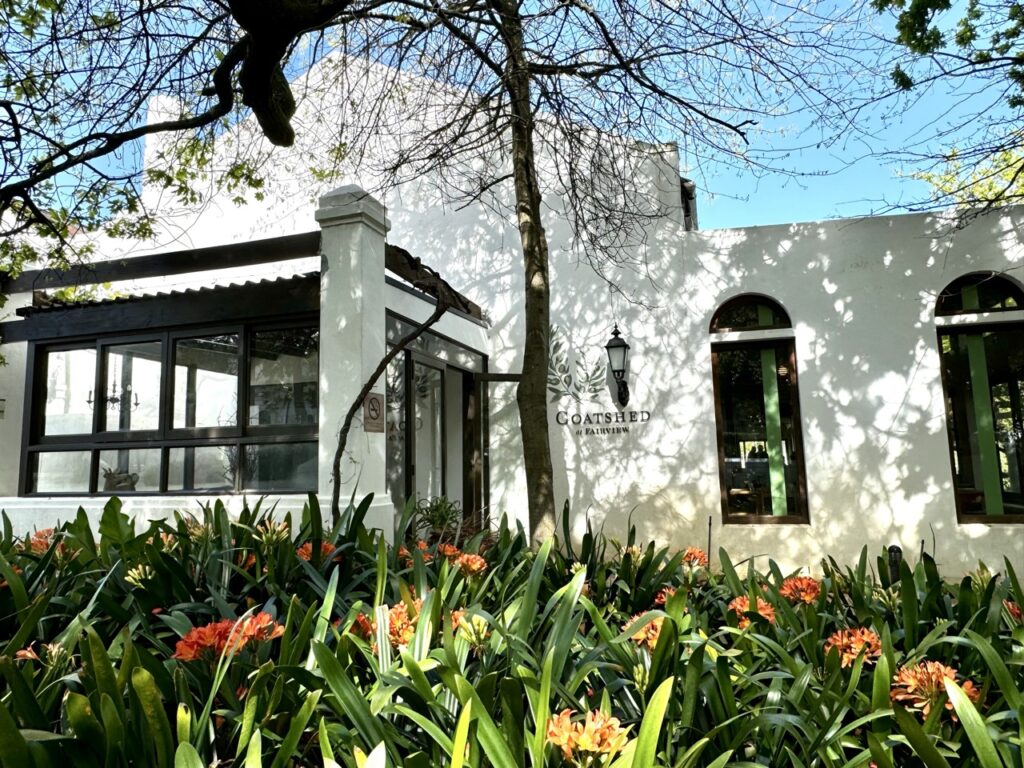
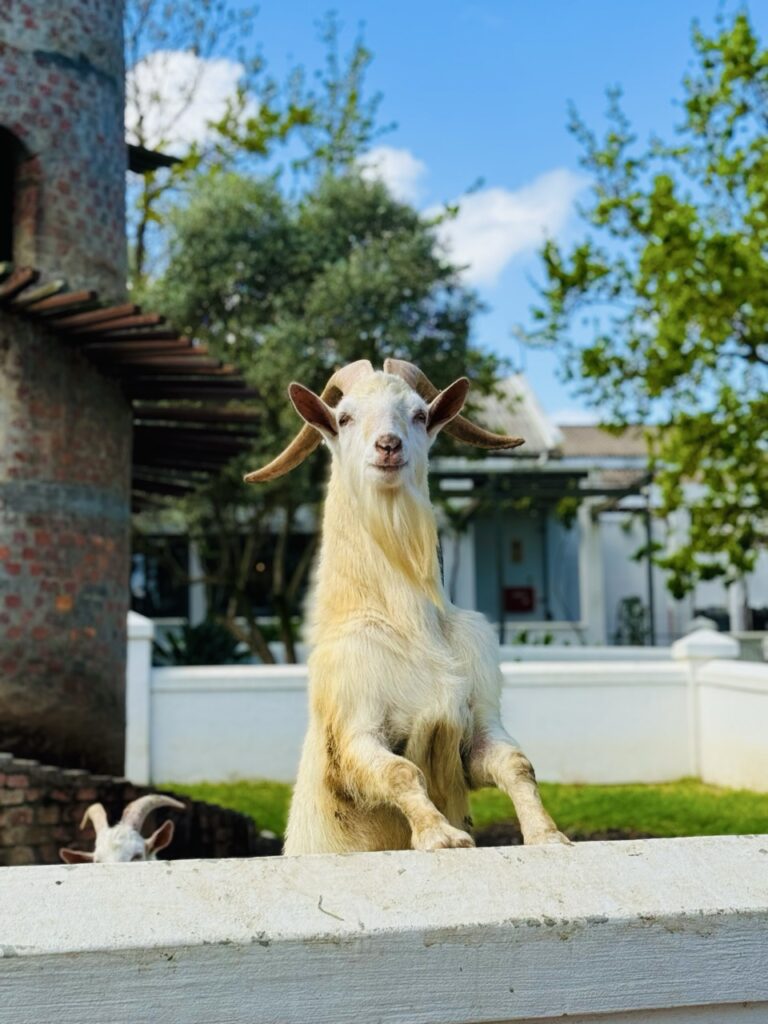
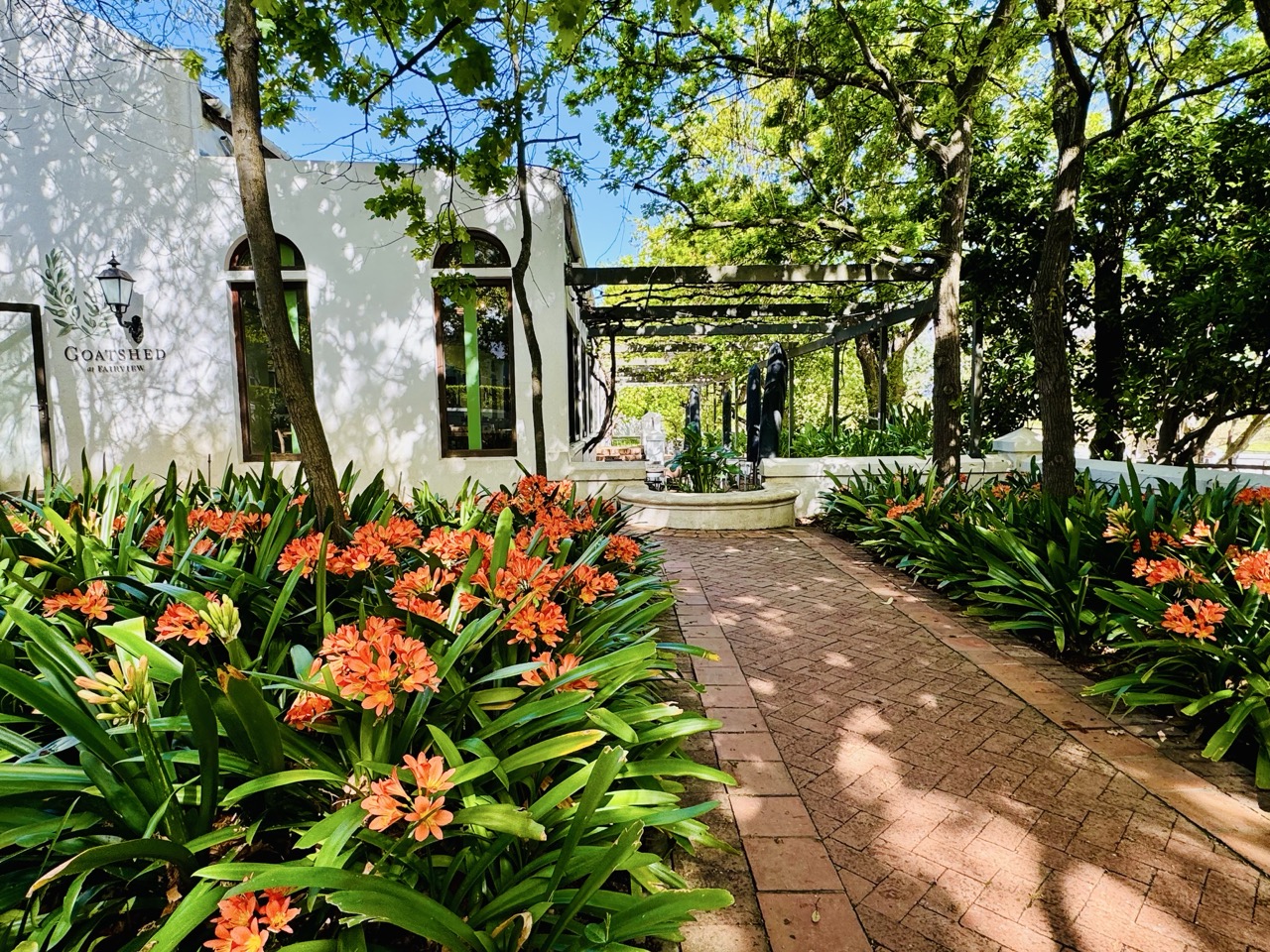
Lunch brought us to The Goatshed at Fairview, which looked like it belonged in a children’s storybook—complete with playful farm-animal décor and a warm, rustic atmosphere.
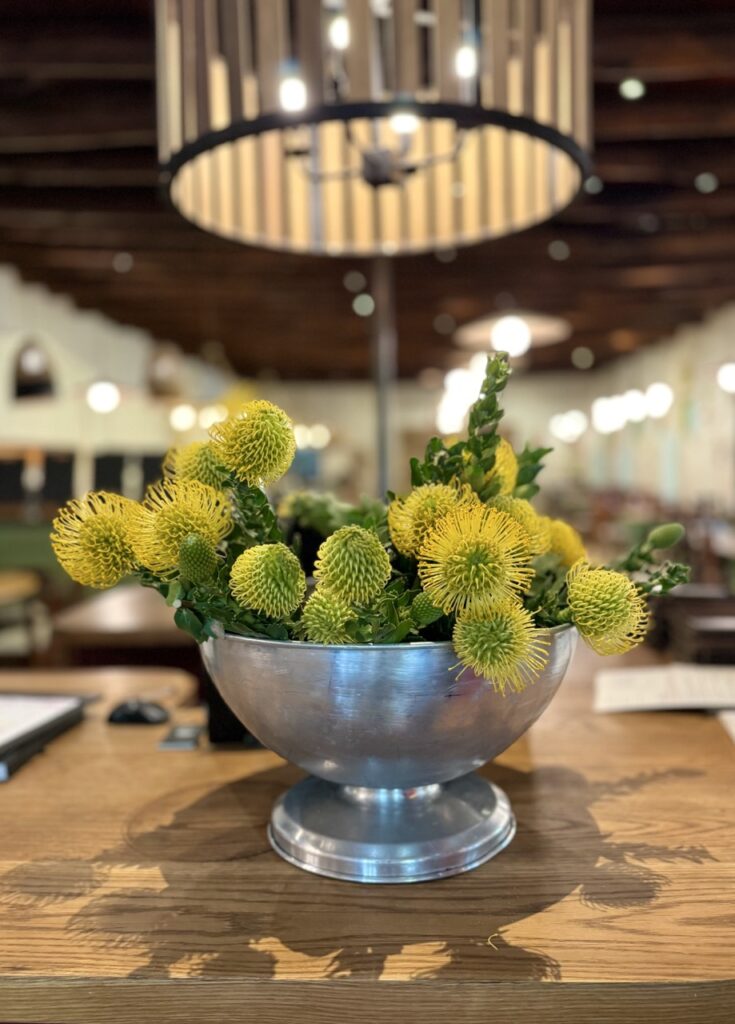
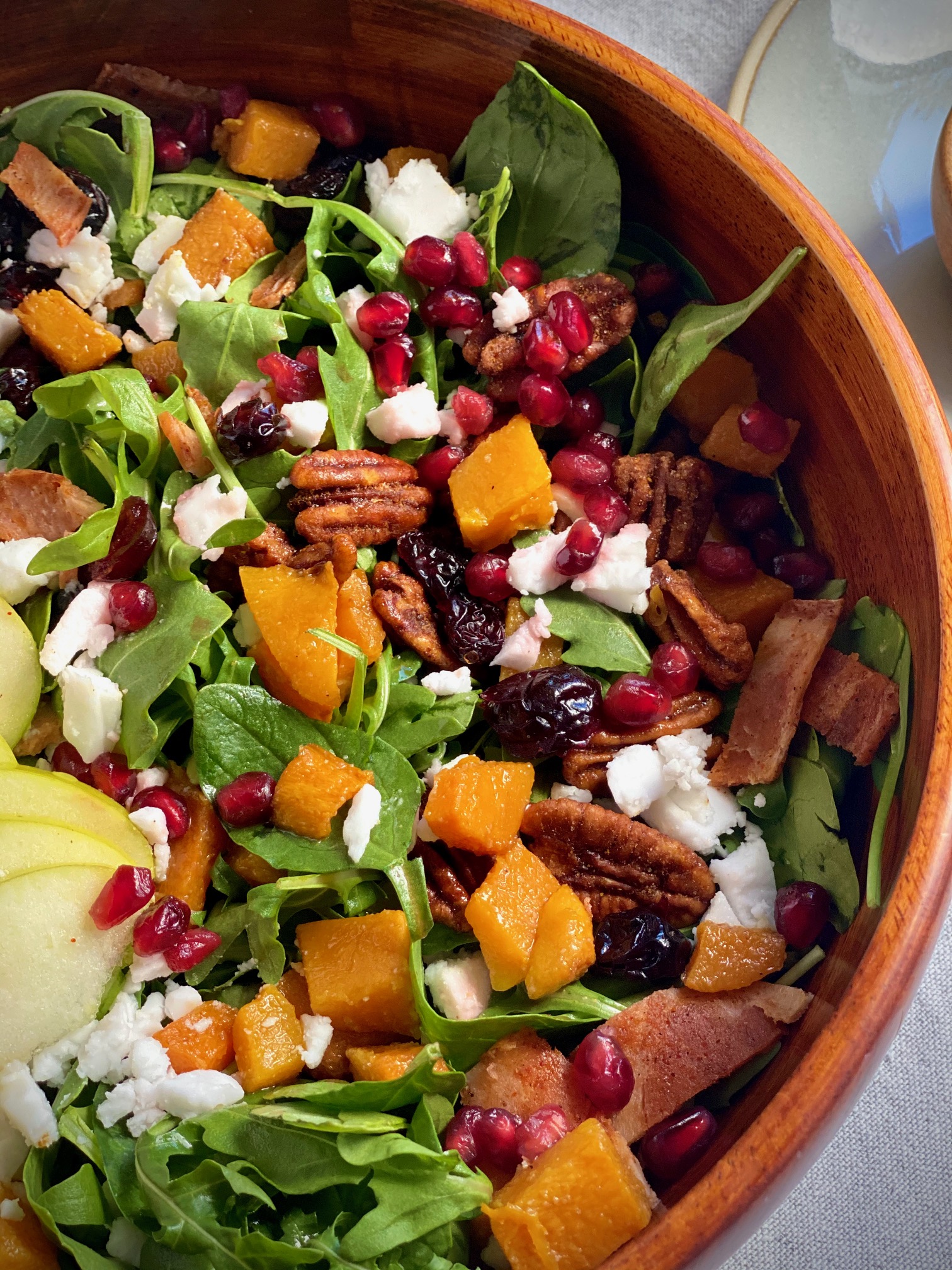
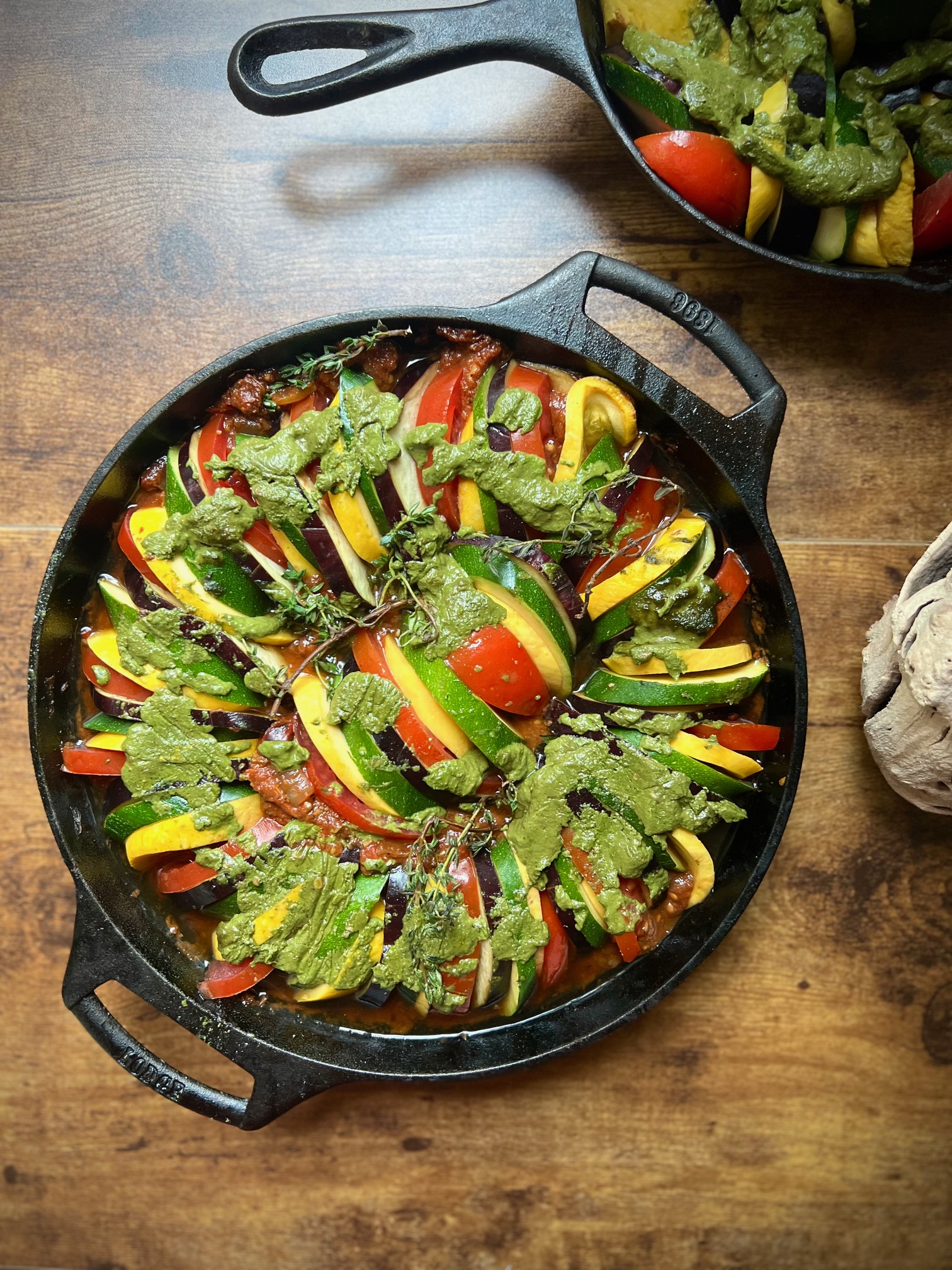
Although there was a set menu, I was once again grateful to find thoughtful vegan and vegetarian options.
I enjoyed a comforting butternut squash soup, pasta served without goat cheese, and a fragrant curry dish—one I was starting to realize had become Cape Town’s dependable vegan standby. The real surprise, though, came at dessert: a vibrant fruit plate paired with vegan chocolate ice cream that allowed for just the right amount of indulgence.
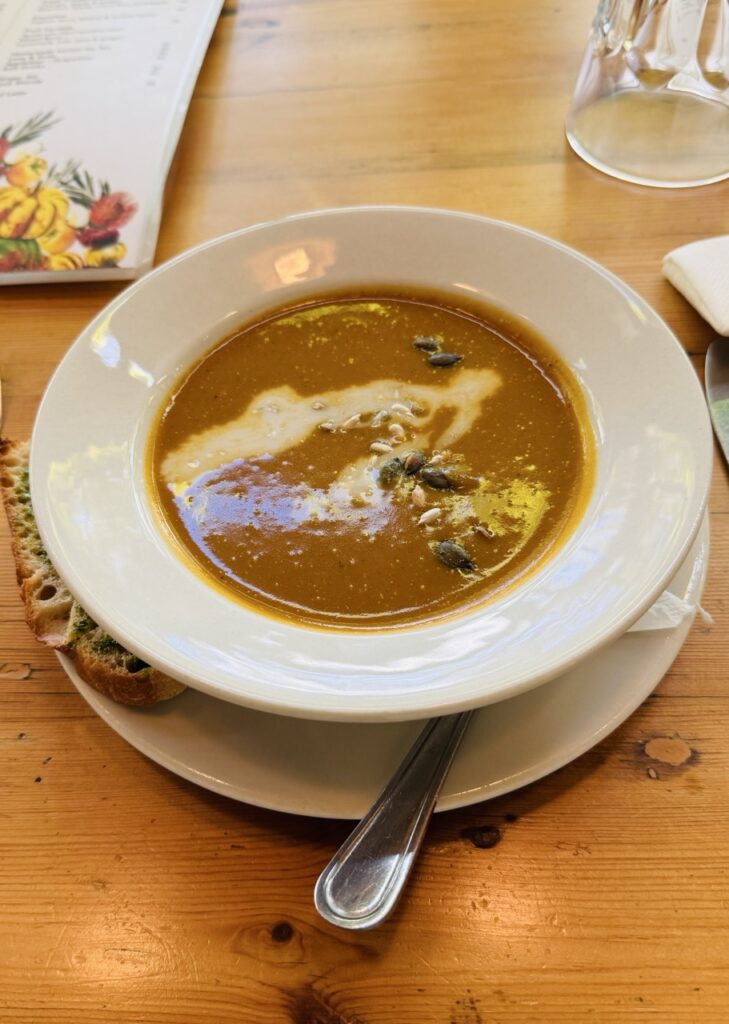
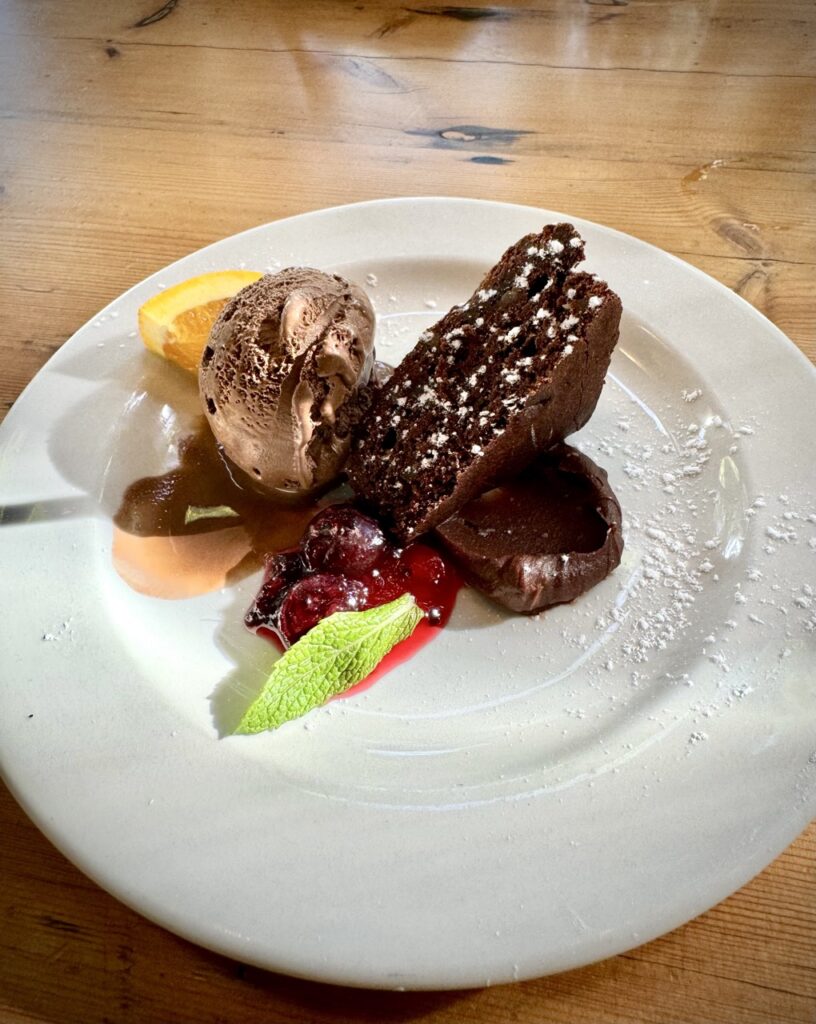
Plant-based travelers, take note—South Africa was proving far more accommodating than I’d imagined.
The Grand Finale: An Evening at GOLD Restaurant
If the day had already felt full, the evening took everything to another level.
Dinner at GOLD Restaurant was, without question, the highlight of our Cape Town experience.
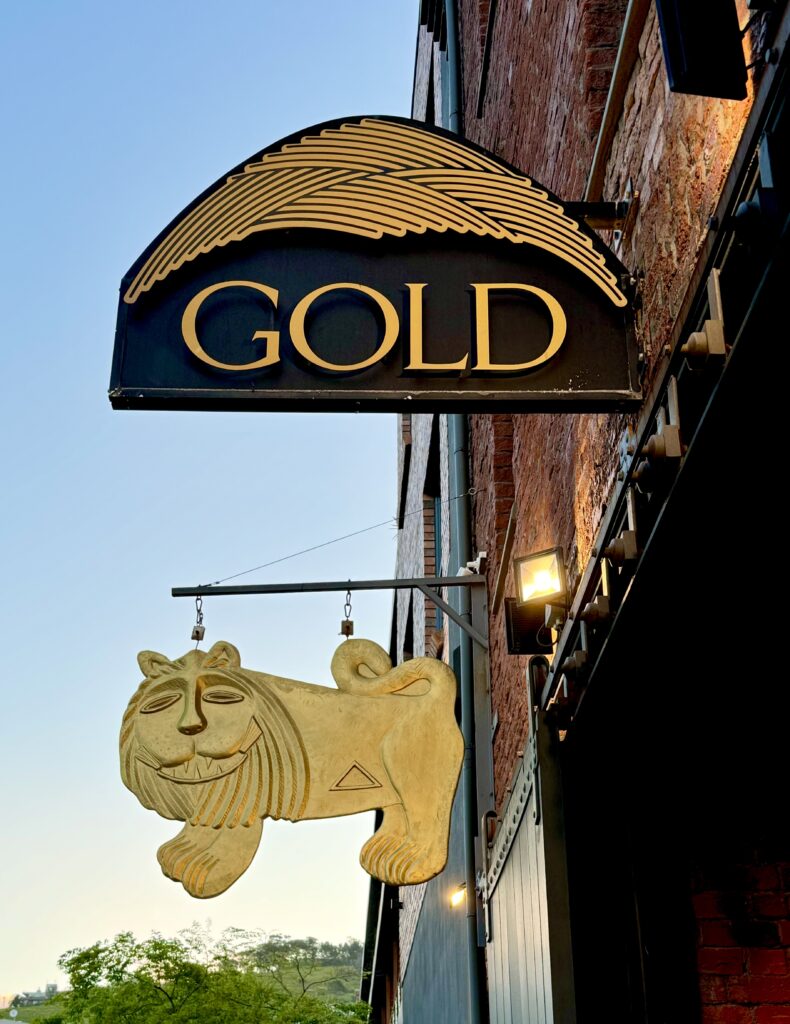
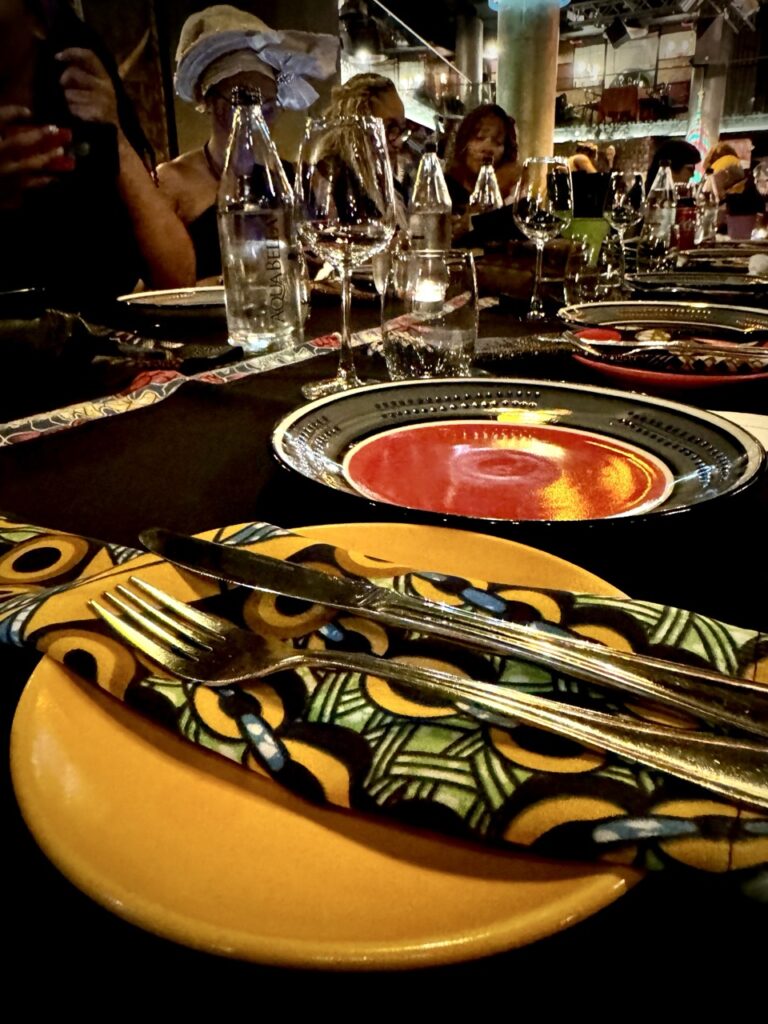
Known for its immersive Pan-African dining, GOLD offers a 14-course tasting menu inspired by cuisines from across the continent—paired with live drumming, singing, dancing, storytelling, and even Malian puppetry. From the moment we arrived, surrounded by vibrant décor, traditional masks, textiles, and staff dressed in cultural attire, it was clear we were in for something unforgettable.
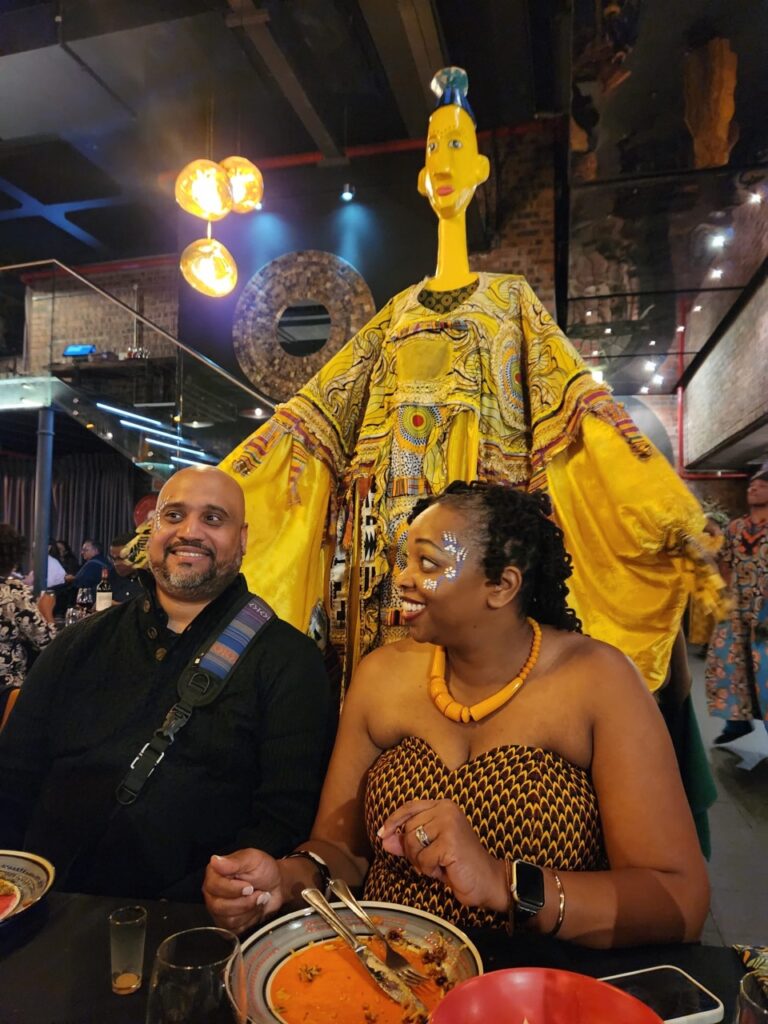
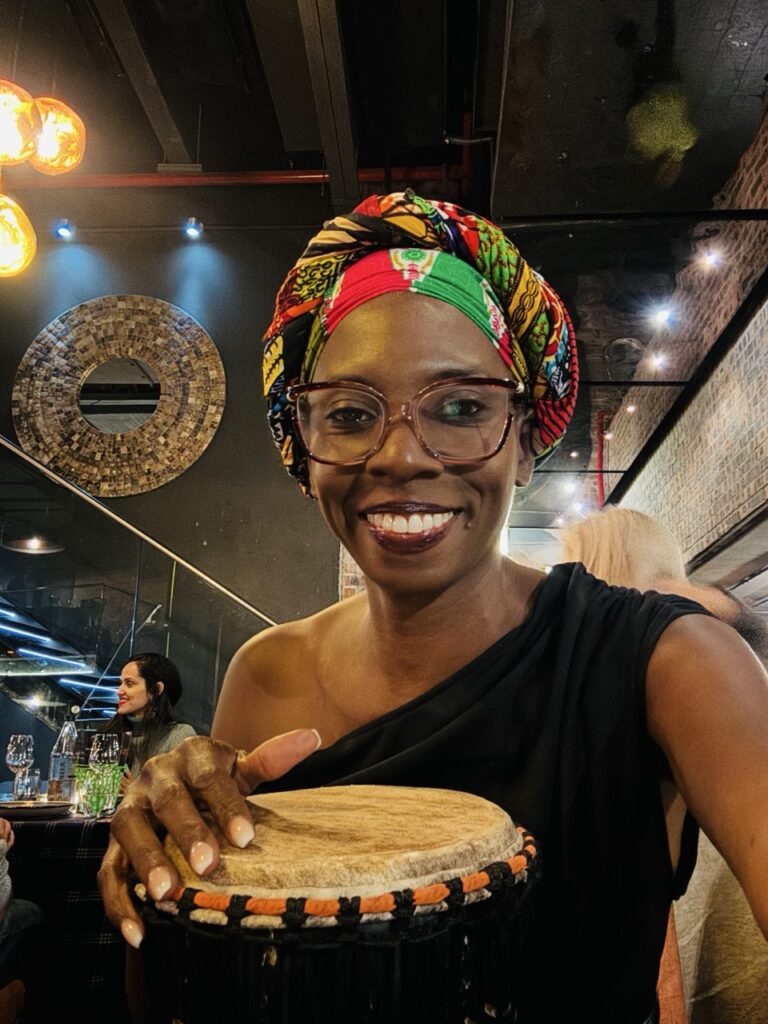
The experience began with an optional djembe drumming session—joyful, rhythmic, and energizing—and continued throughout the meal with performances that made the entire restaurant feel alive.
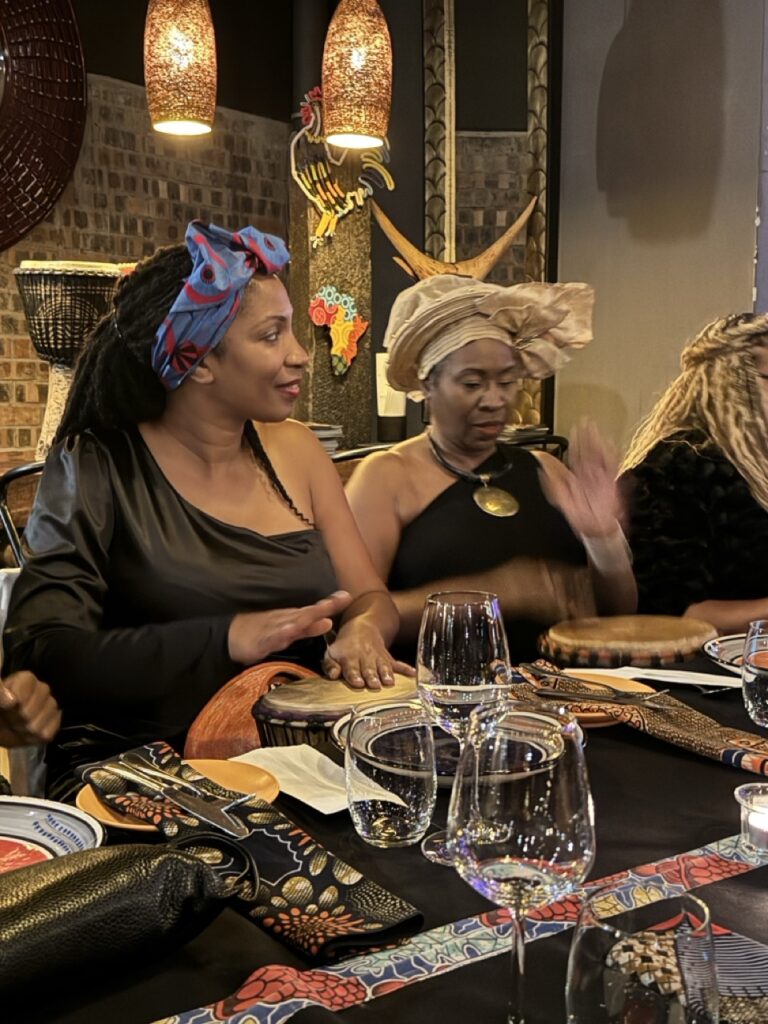
Next, dinner arrived, course after course being served family-style, with servers explaining each dish and its country of origin. My plant-based tasting journey included delicately spiced Ethiopian-style lentils, smoky North African vegetable tagines, West African peanut-stew-inspired vegetables, fragrant Moroccan couscous studded with roasted vegetables, and a bright tomato soup that cut through the richer flavors beautifully.
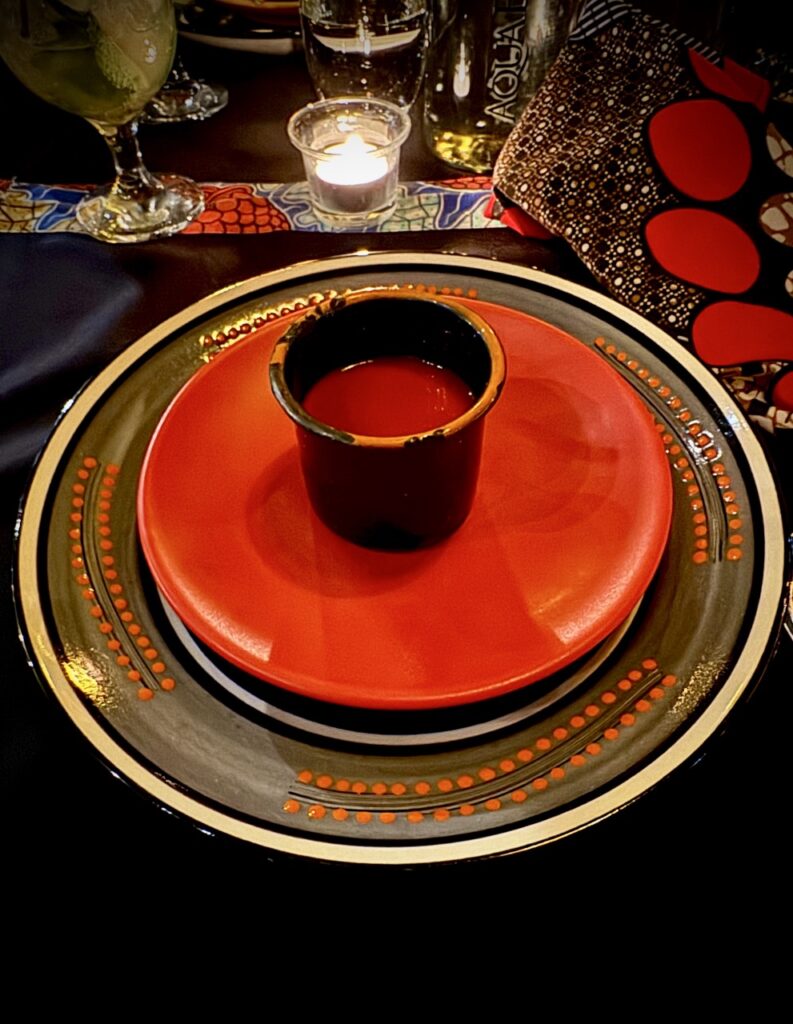
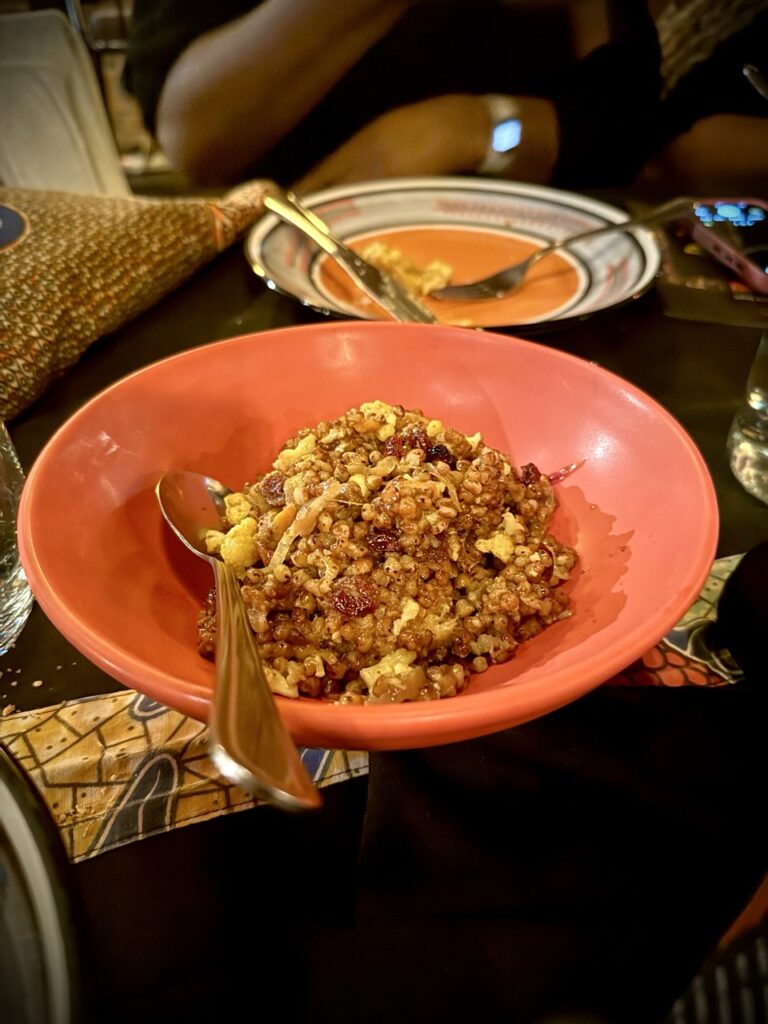
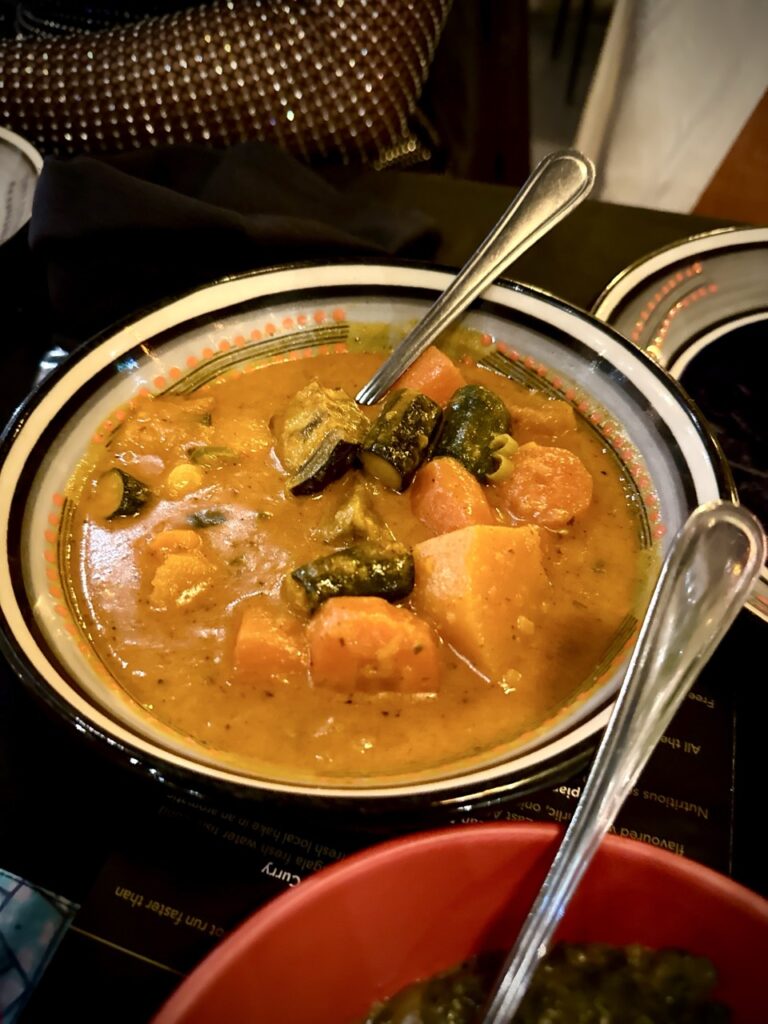
True to form, there were vegetarian and vegan options available, allowing me to fully participate in the feast without missing a beat.
Each plate felt intentional—rooted in tradition yet accessible—and reminded me just how expansive African cuisine truly is.
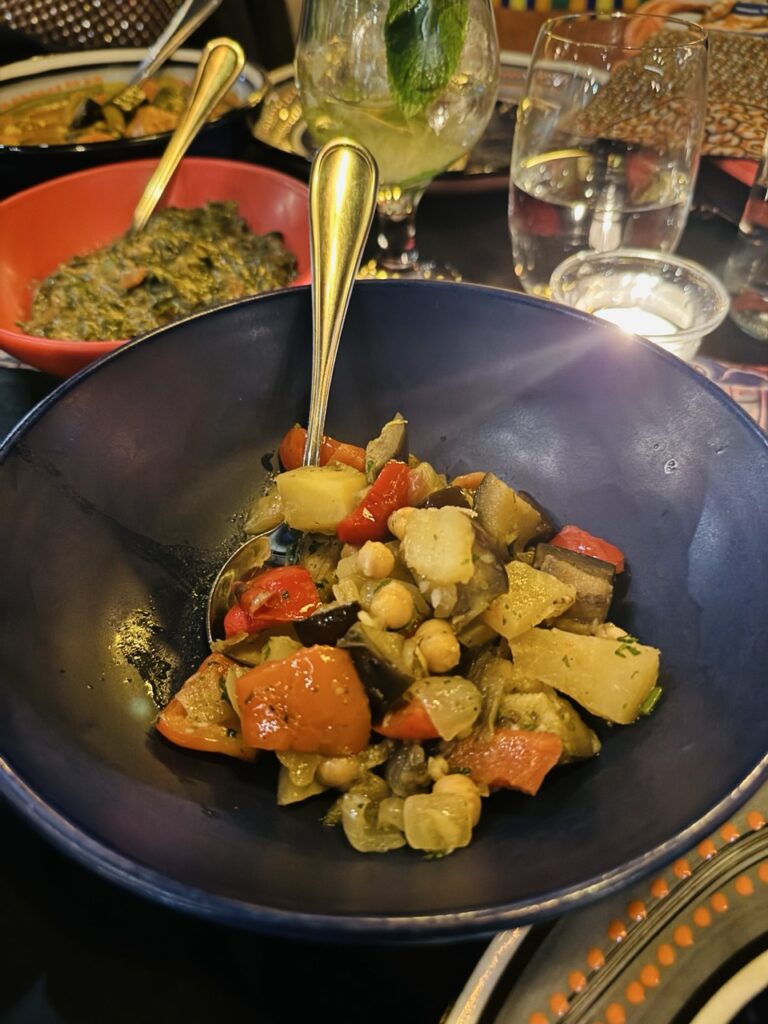
Reservations are essential here, and after that night, I completely understand why.
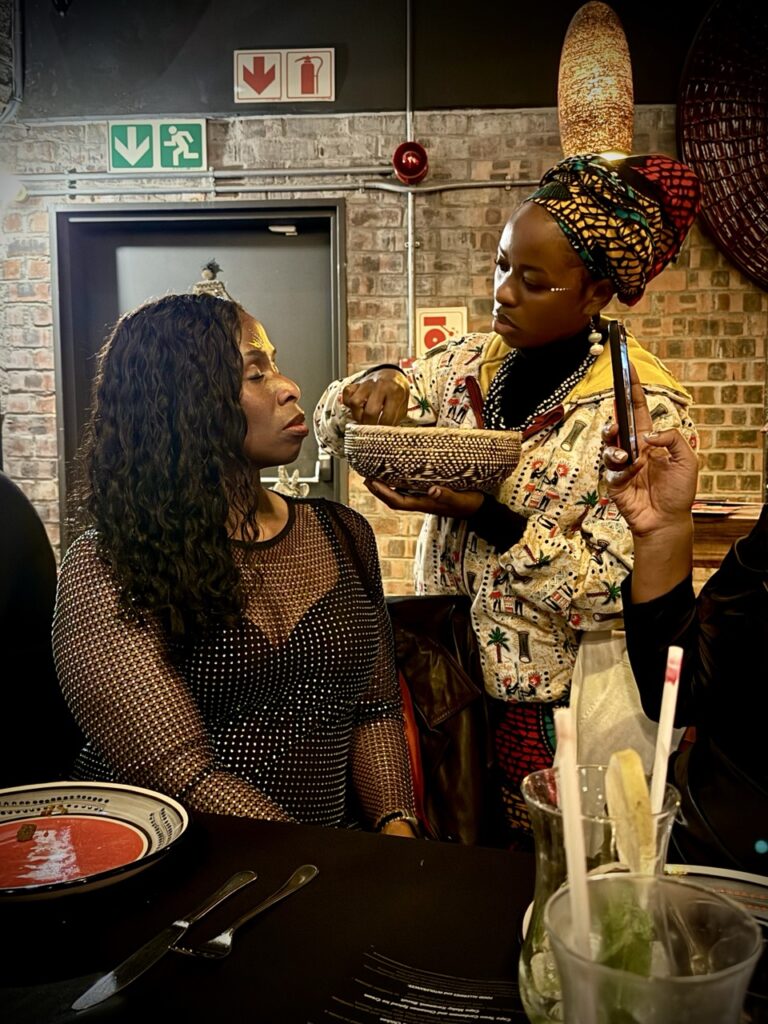
The whole experience felt communal, celebratory, and deeply rooted in storytelling—exactly the kind of dining experience that reminds you food is about far more than nourishment. It’s about connection.
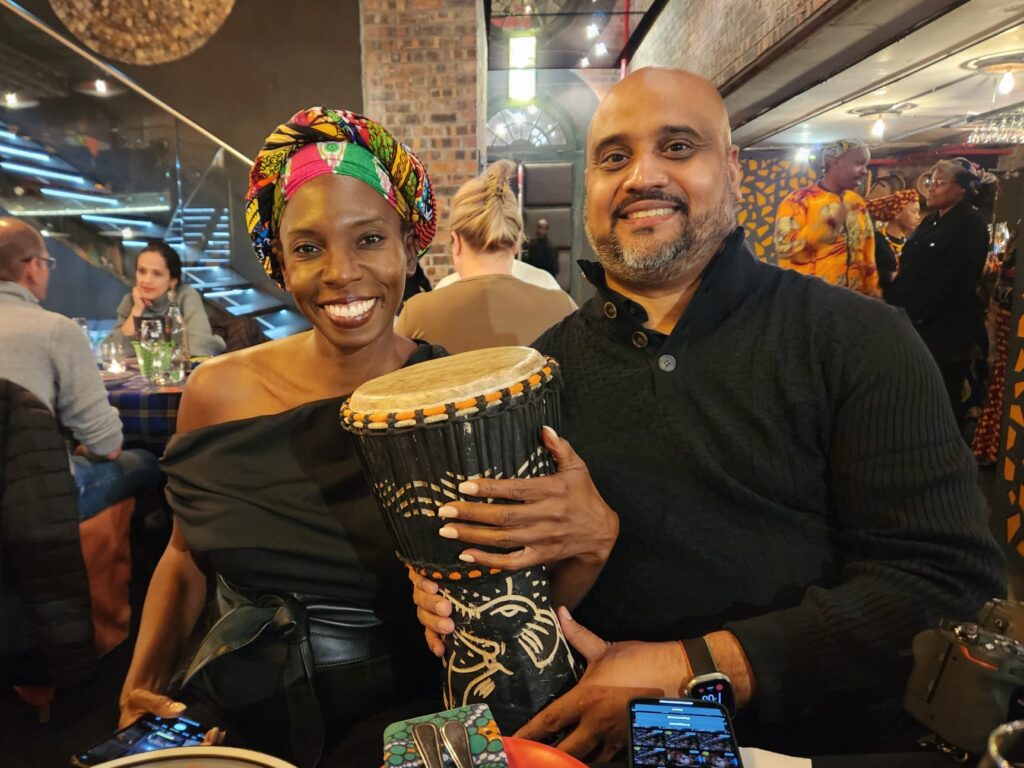
Gratitude, Friendship, and What Came Next
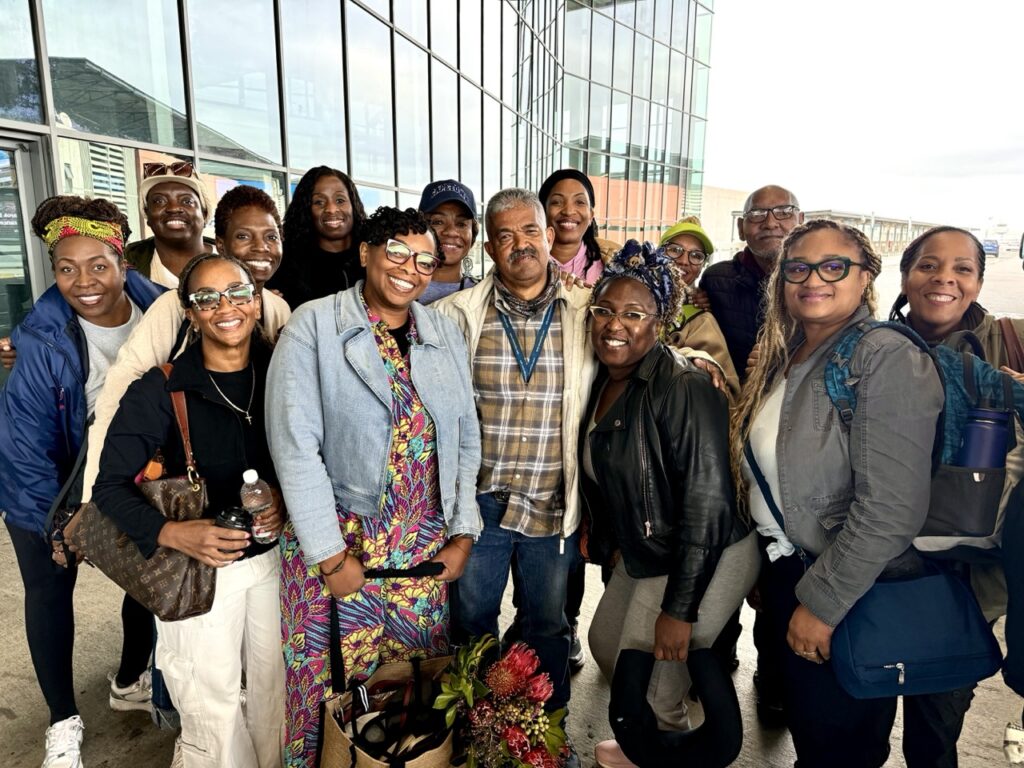
We were incredibly thankful for our tour guide, who curated such a rich and thoughtful Cape Town experience. By the end of our time together, we hadn’t just collected photos and memories—we had formed friendships that felt more like family.
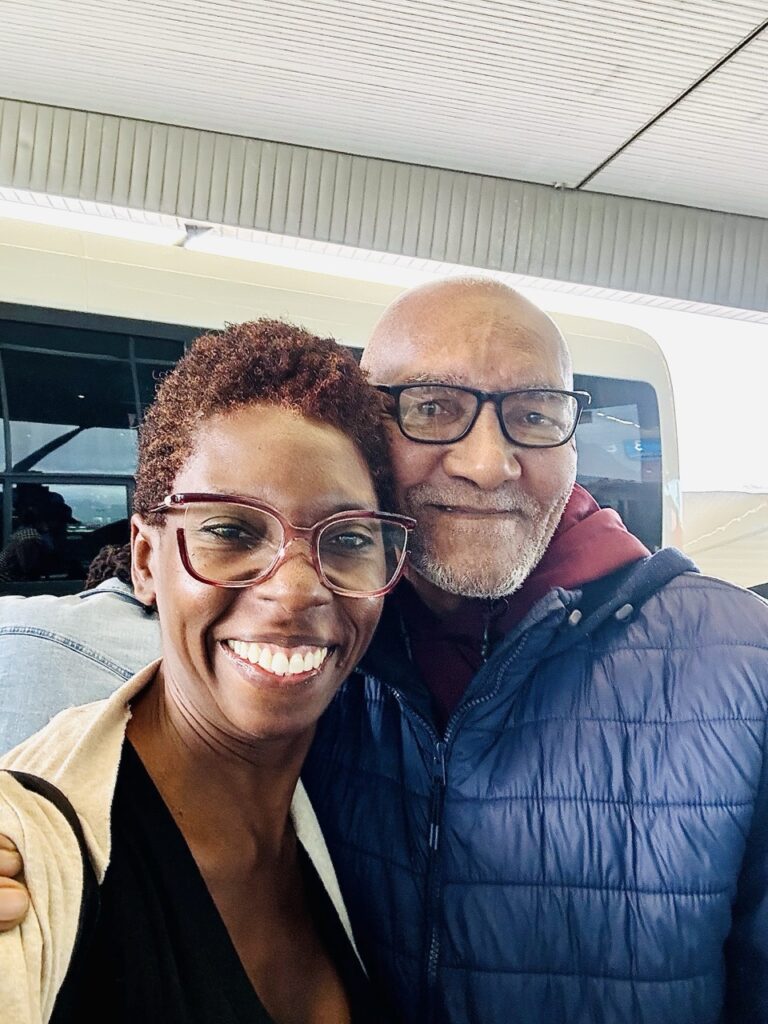
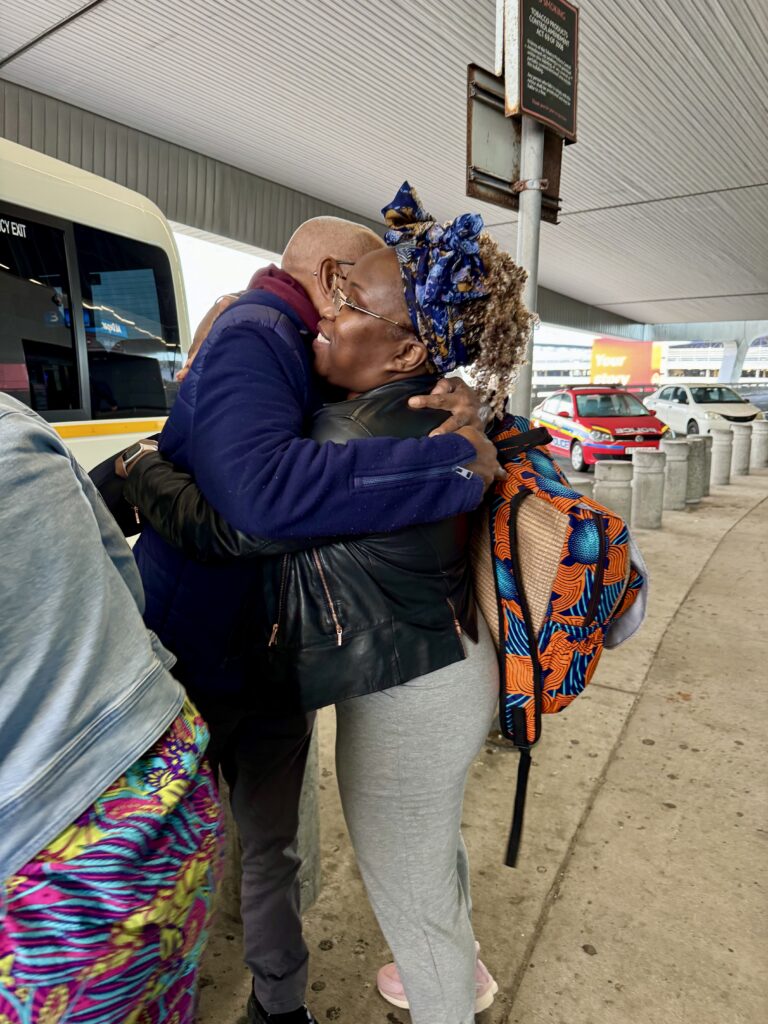
Saying goodbye to Cape Town wasn’t easy. The city had welcomed us with breathtaking landscapes, complex history, vibrant culture, and unforgettable meals.
But as hard as it was to leave, another adventure awaited.
And somehow, I knew South Africa still had even more magic in store. 🌍✨
Next stop: a safari at Pilanesberg National Park!




+ show Comments
- Hide Comments
add a comment